SOUL PRACTICE
Life, death, and the journey in between. What keeps me going in my profession
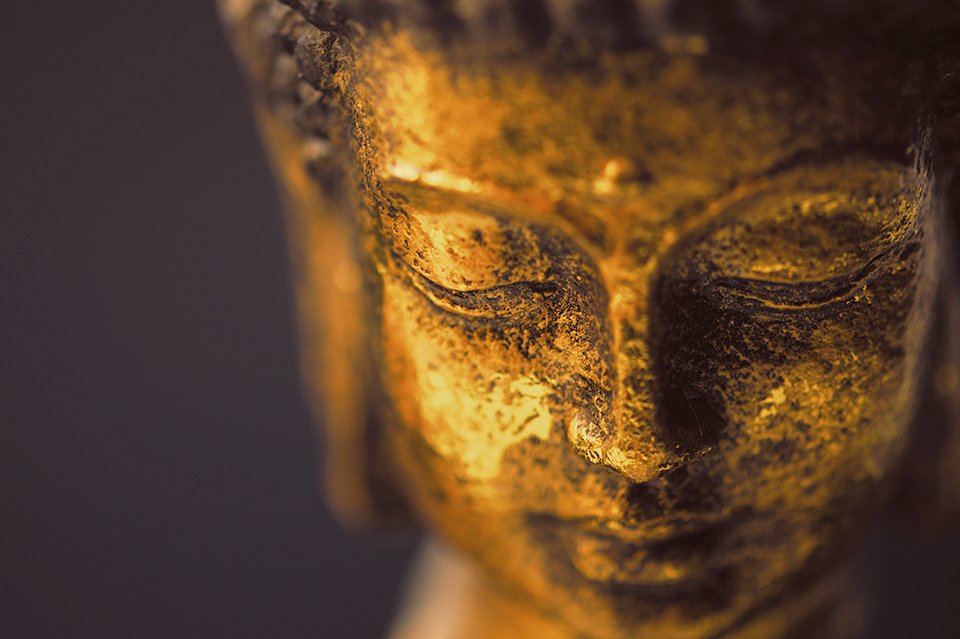
I live between two worlds
When a child is born into our world, we celebrate. When a person dies, we mourn. Kabir, a 15th-century Indian mystic, wrote a line that I have been pondering for many years: when you were born, you cried, and the world rejoiced; when you die, the world will cry, and you will rejoice. If we meet a newborn—somewhere in other worlds, that soul may have just been sent on its way. And when a person dies here—there, they may be welcomed with joy at that very moment.
In my work, there are many difficult cases where life and death walk side by side, where people stand on the threshold of profound existential crises. That is why the balance of black and white—as in the photographs I take while traveling—fascinates me deeply.
I explore this theme through reading Dante, Indian philosophy, travels to India and Nepal, and pilgrimage sites in Europe. Through meditative practice and the silence I seek in temples.
Reading Dante
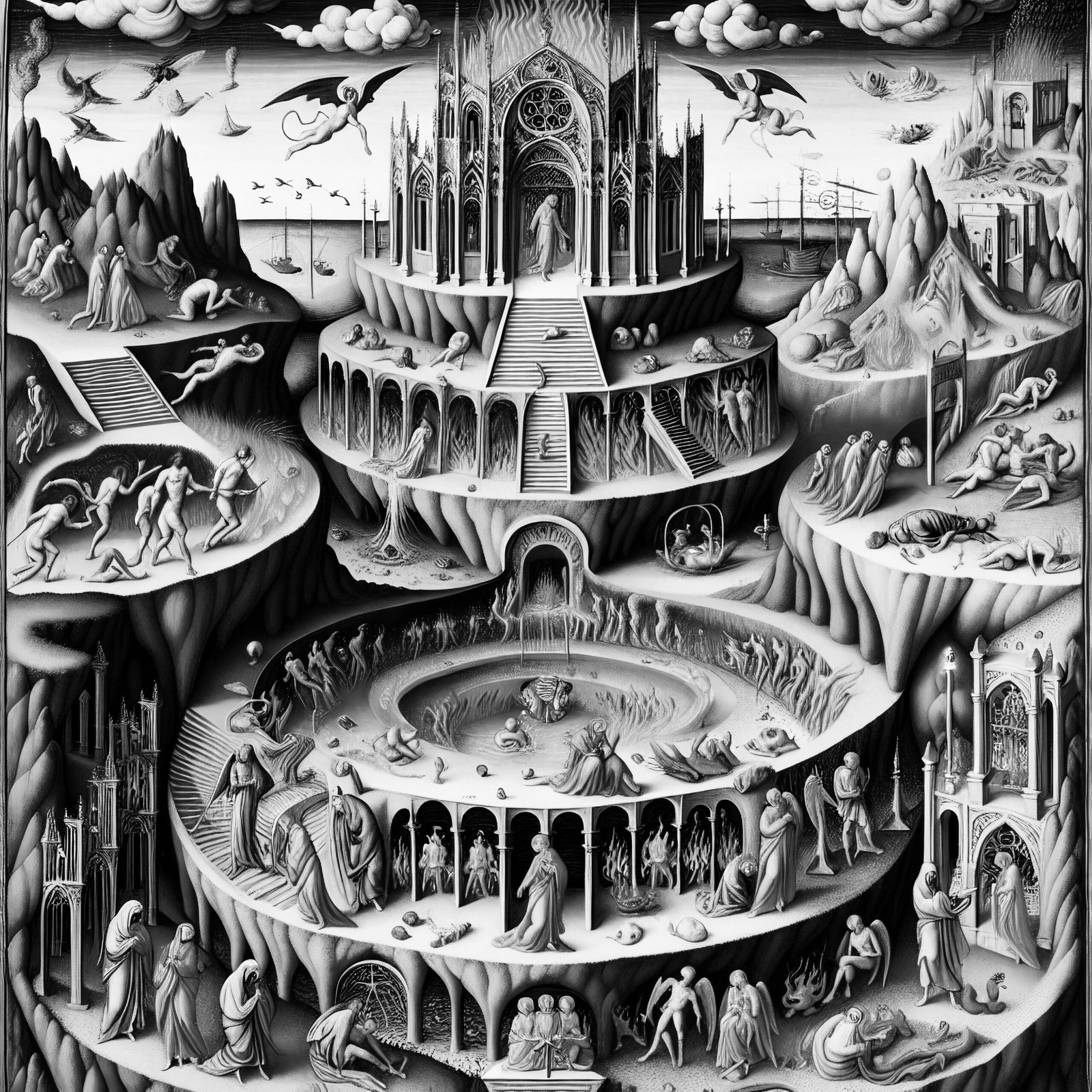
Dante Alighieri was a 14th-century Italian poet. His Divine Comedy is the story of a journey through the afterlife: first downward, to the very bottom, then upward—toward the light. It consists of three parts: Hell, Purgatory, and Paradise.
Three things strike me in this text.
Ice. Hell has nine circles that descend into the depths like a funnel. At the very center, at the bottom—not fire, but ice. Lucifer is frozen in ice. Not burning emotions, but numbness. I recognize this image immediately. The deepest hell isn’t when it hurts. It’s when there is psychological death inside.
The exit is through the bottom. To get out of hell, Dante must pass through the very bottom—through the body of the frozen Lucifer. The exit is right where it was the scariest. I often think about this in therapy: healing lies in having someone by your side who can endure being with you. Like Virgil with Dante.
The stars. All three parts of the “Divine Comedy” end with the same word: “stars.” Darkness is only a stop along the way. Not the end.
Thinking about therapy
1
Soul practice and clinical work are not two separate spheres
These are two ways to be there for someone at that pivotal moment when they are reborn as a new version of themselves.
2
Darkness is a stop along the way, not the end
Clinical observation: People are capable of finding their way out of the darkness. Not everyone does, and not in the same way, but they can.
3
Therapy isn’t about returning to “normal”
It is more important to gradually regain the ability to feel, make choices, and take charge of your own life.
4
The deepest hell isn’t where it hurts
Mental death is more terrifying than mental pain, because pain still maintains a connection to life.
5
War is not an event, but a long-term process
It doesn’t end with the signing of documents. It can live on in the minds of several generations.
6
Trauma does not disappear with the death of the person who experienced it
It is passed on—through silence, through the body, through the way we love. Therapy makes this transmission visible.
Photograph the world around me
тут потрібна галерея