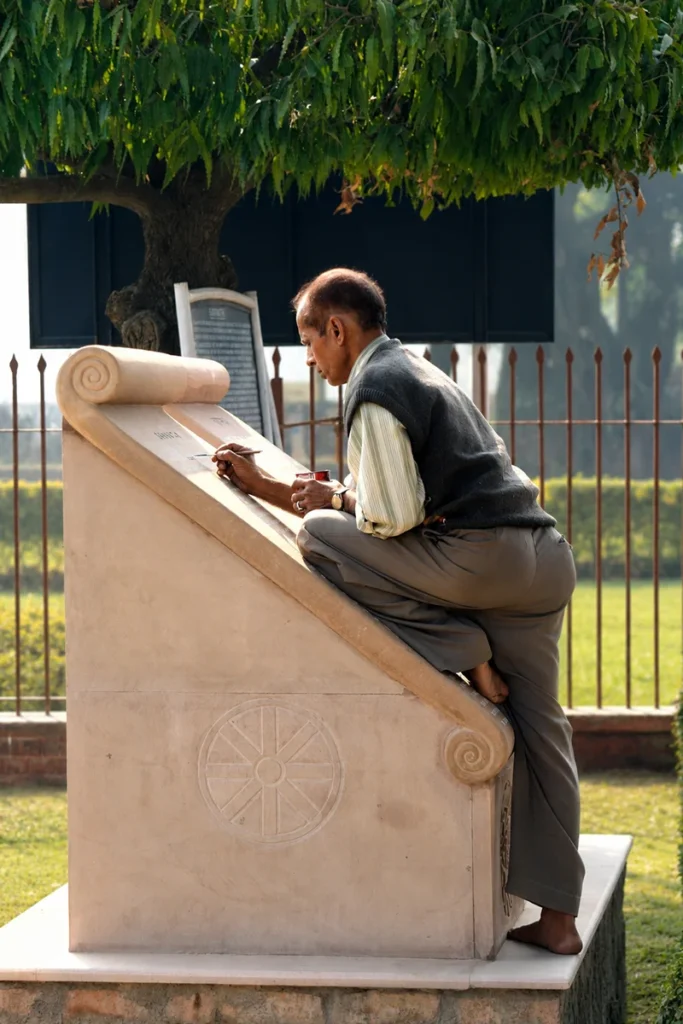
Life, death, and the path between them. Soul practice sustains me in my profession
Between two worlds
When a child is born into our world, we celebrate. When a person dies, we mourn. Kabir, a 15th-century Indian mystic, wrote a line that I have been pondering for many years: when you were born, you cried, and the world rejoiced; when you die, the world will cry, and you will rejoice.
If we meet a newborn—somewhere in other worlds, that soul may have just been sent on its way. And when a person dies here—there, they may be welcomed with joy at that very moment.
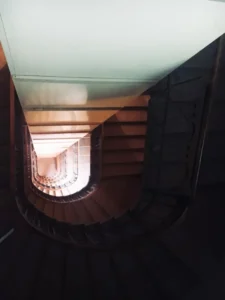
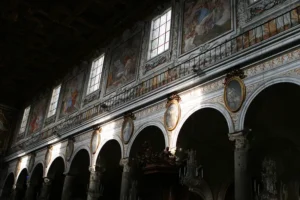
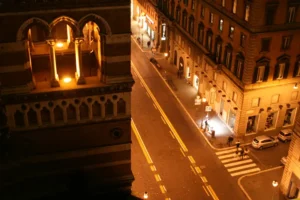
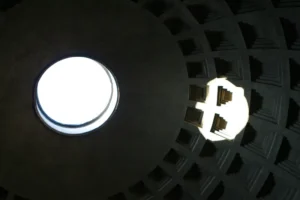
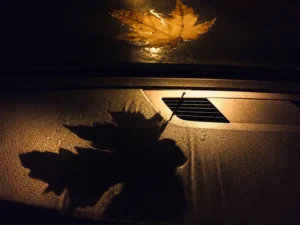
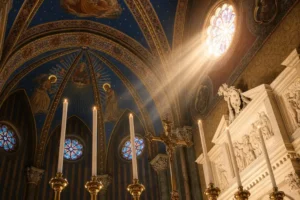
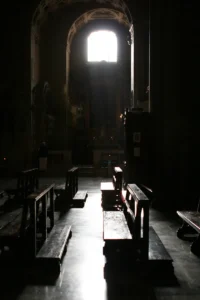
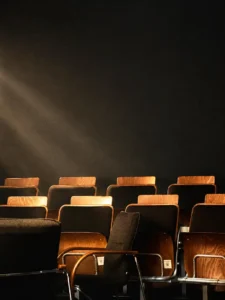
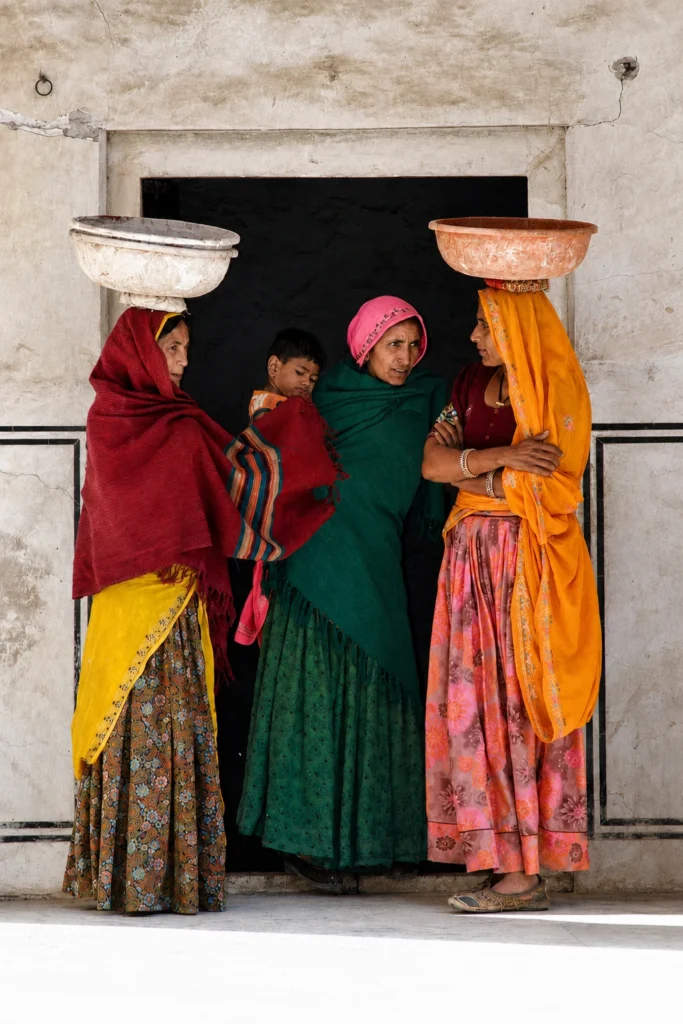
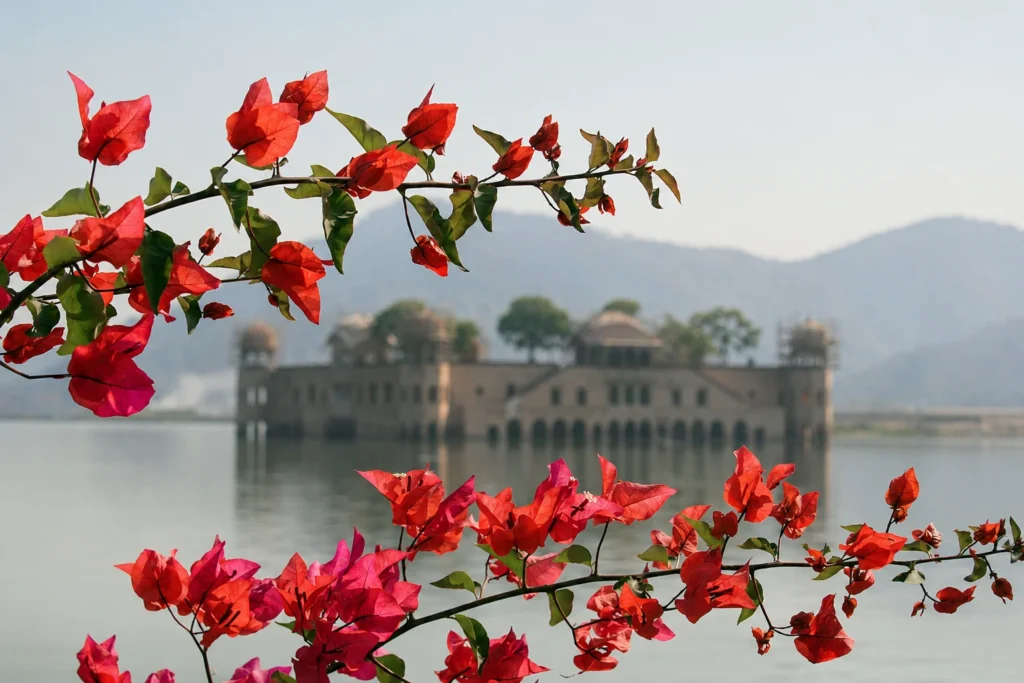
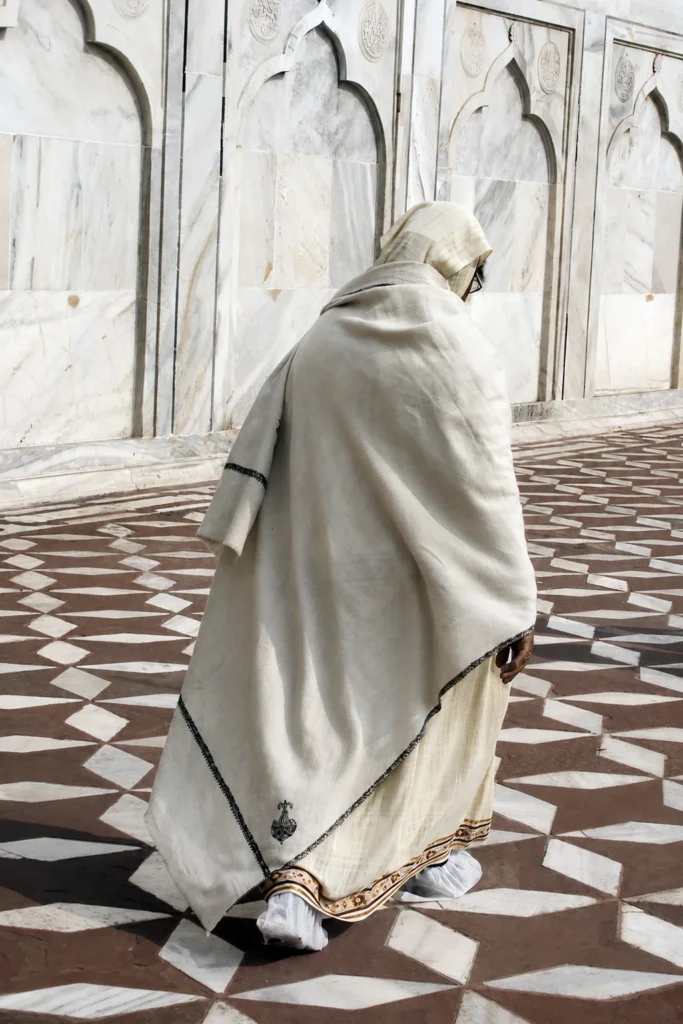
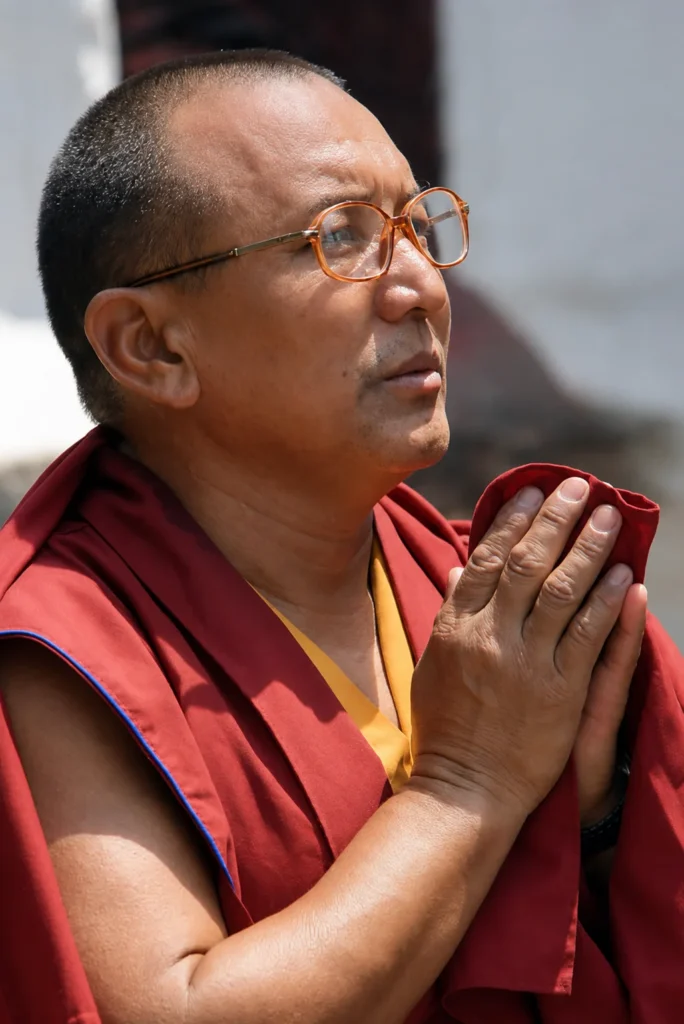
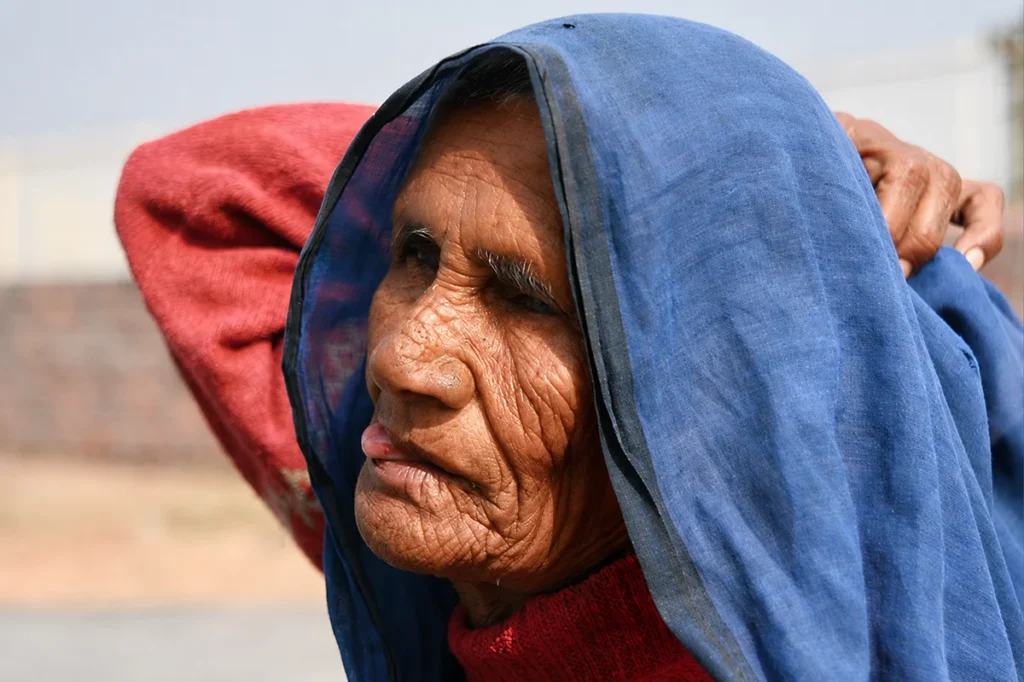
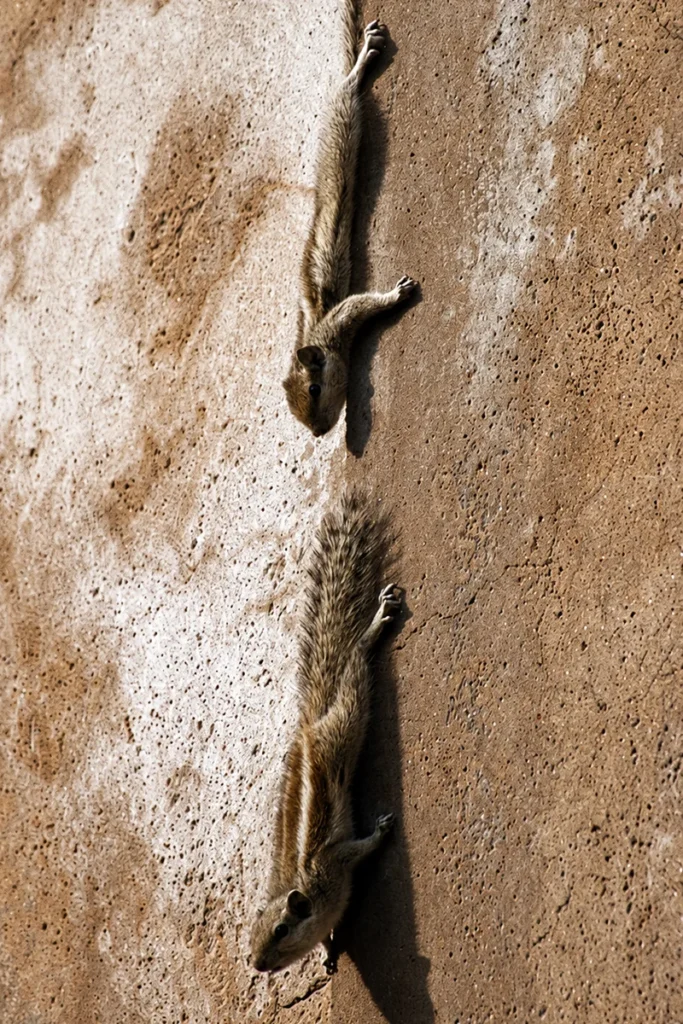
In my work, there are many difficult cases where life and death walk side by side, where people stand on the threshold of profound existential crises. That is why the balance of black and white—as in the photographs I take while traveling—fascinates me deeply.
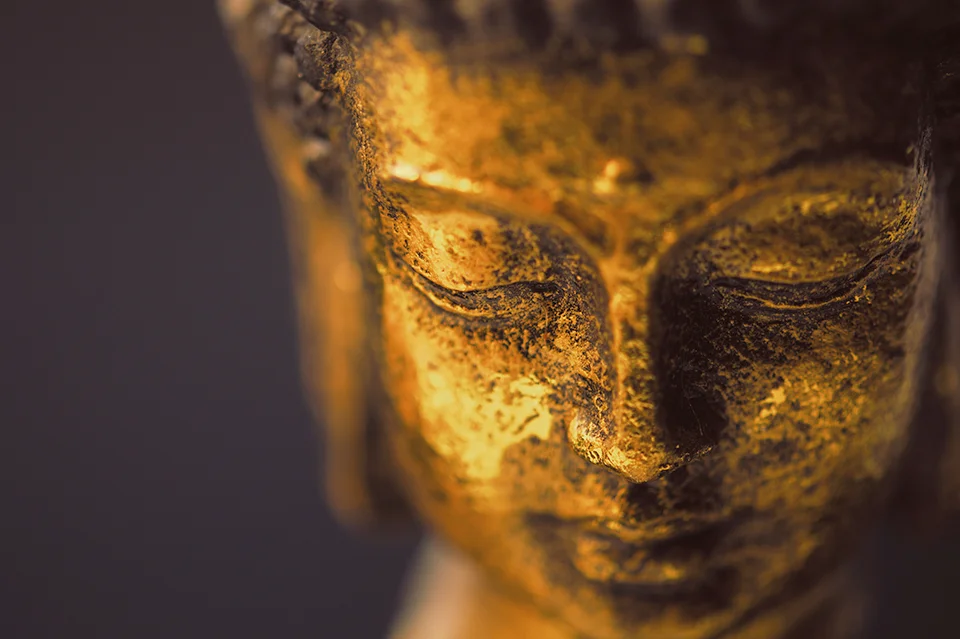
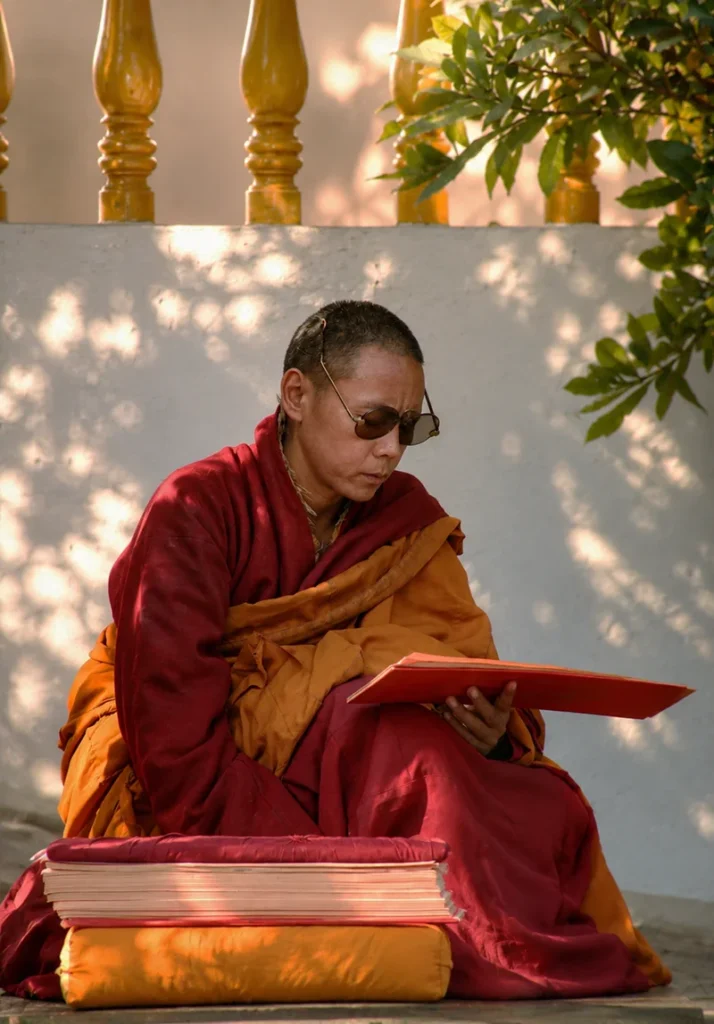
I explore this theme through reading Dante, Indian philosophy, travels to India and Nepal, and pilgrimage sites in Europe. Through meditative practice and the silence I seek in temples.
psychoanalyst, clinical psychologist
Reading Dante
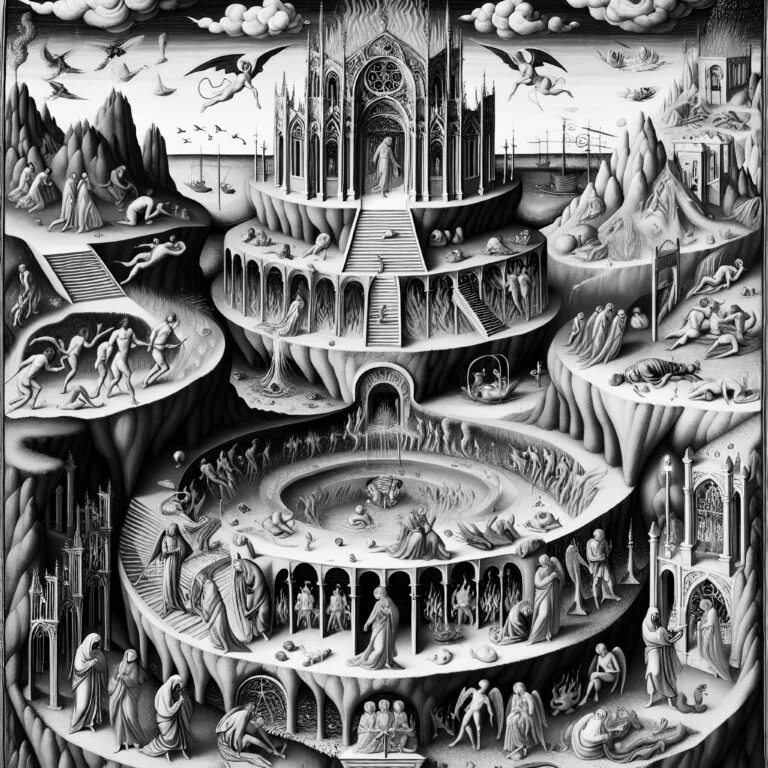
Dante Alighieri was a 14th-century Italian poet. His Divine Comedy is the story of a journey through the afterlife: first downward, to the very bottom, then upward—toward the light. It consists of three parts: Hell, Purgatory, and Paradise.
Three things strike me in this text.
Ice. Hell has nine circles that descend into the depths like a funnel. At the very center, at the bottom—not fire, but ice. Lucifer is frozen in ice. Not burning emotions, but numbness. I recognize this image immediately. The deepest hell isn’t when it hurts. It’s when there is psychological death inside.
The exit is through the bottom. To get out of hell, Dante must pass through the very bottom—through the body of the frozen Lucifer. The exit is right where it was the scariest. I often think about this in therapy: healing lies in having someone by your side who can endure being with you. Like Virgil with Dante.
The stars. All three parts of the “Divine Comedy” end with the same word: “stars.” Darkness is only a stop along the way. Not the end.
Meditating
I distinguish between meditation as an escape and meditation as an encounter with oneself. The former lulls one into a false sense of security. The latter brings one back to what one would rather not face: one’s own anxiety, fatigue, and unresolved emotions. Only after this encounter does silence cease to be a void and become a source of strength.
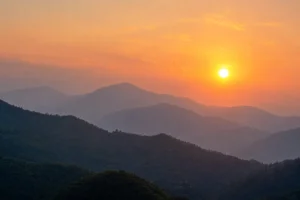
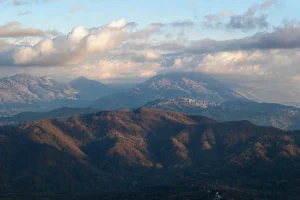
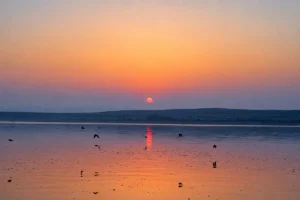
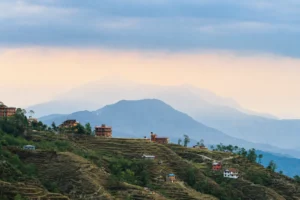
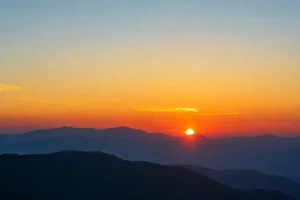
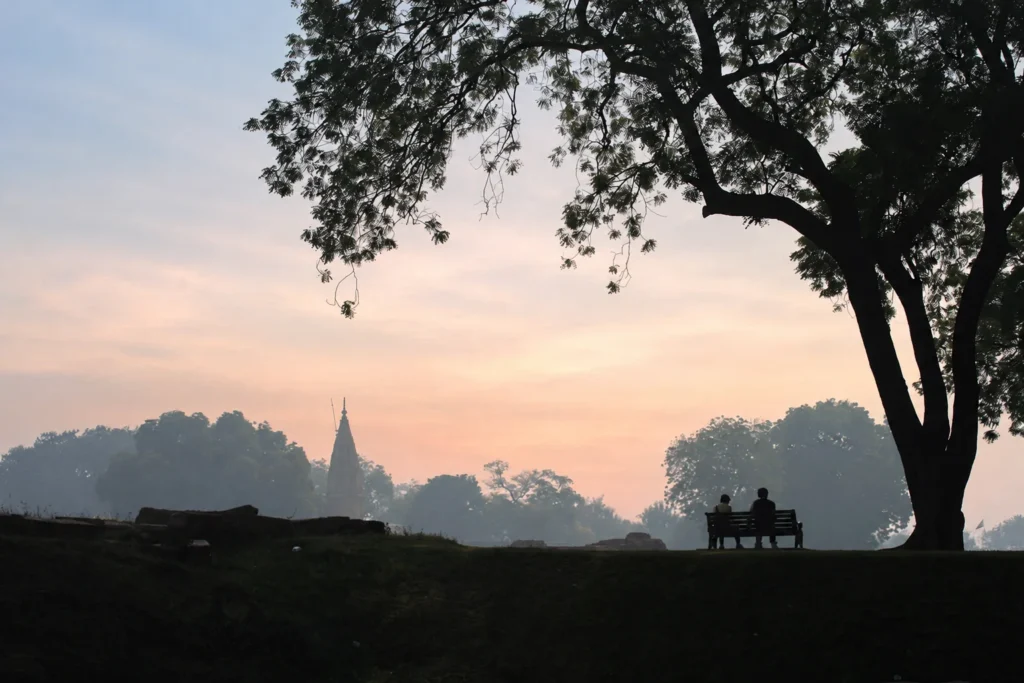
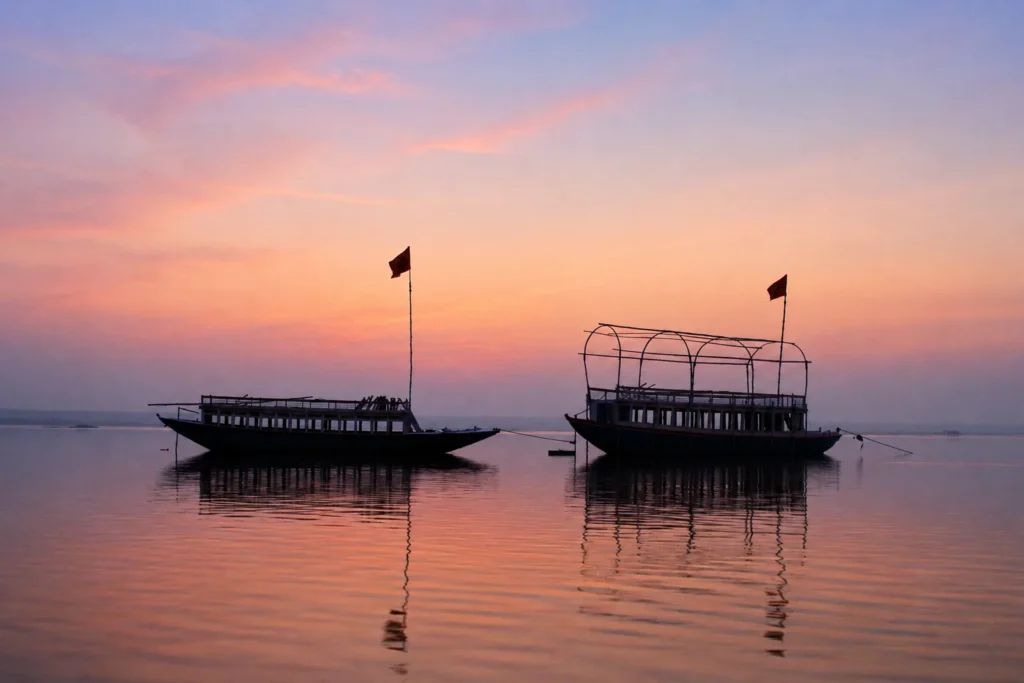
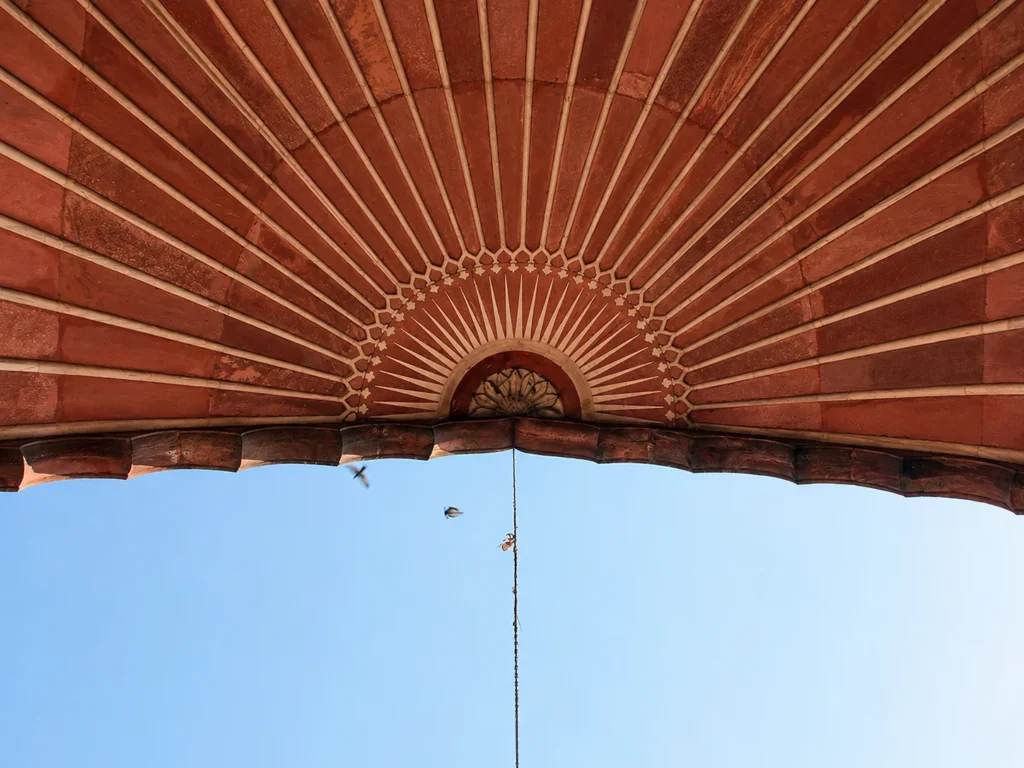
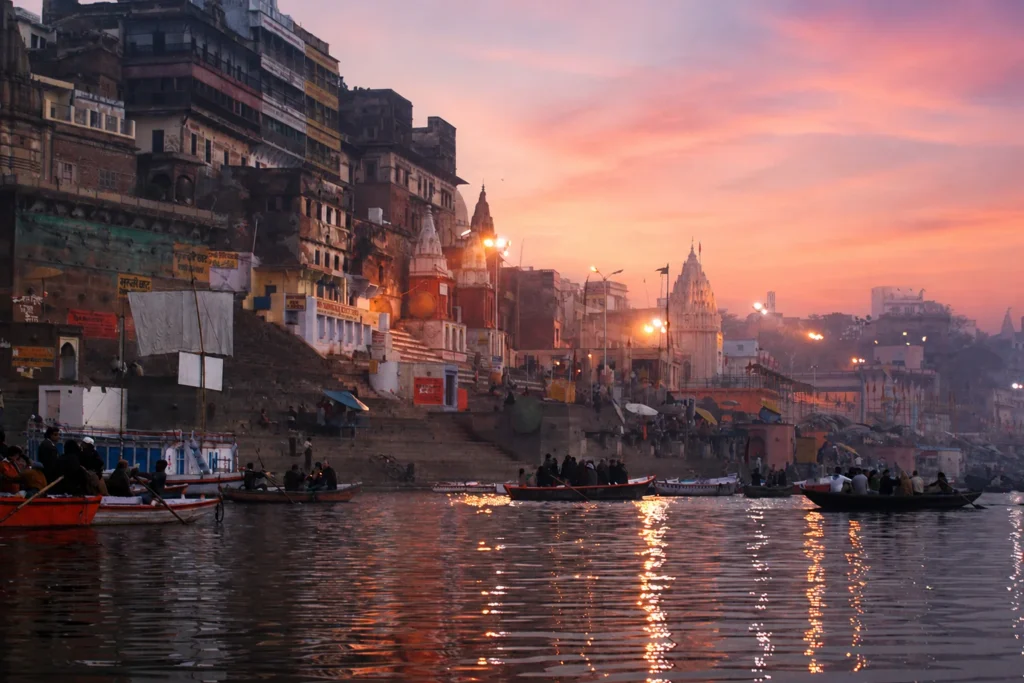
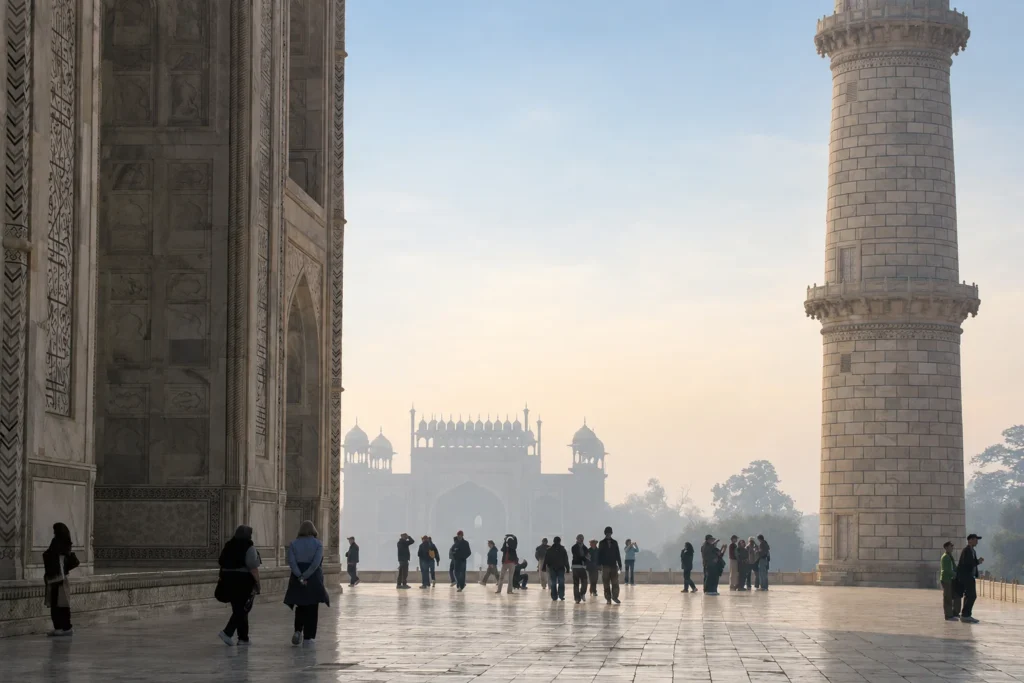
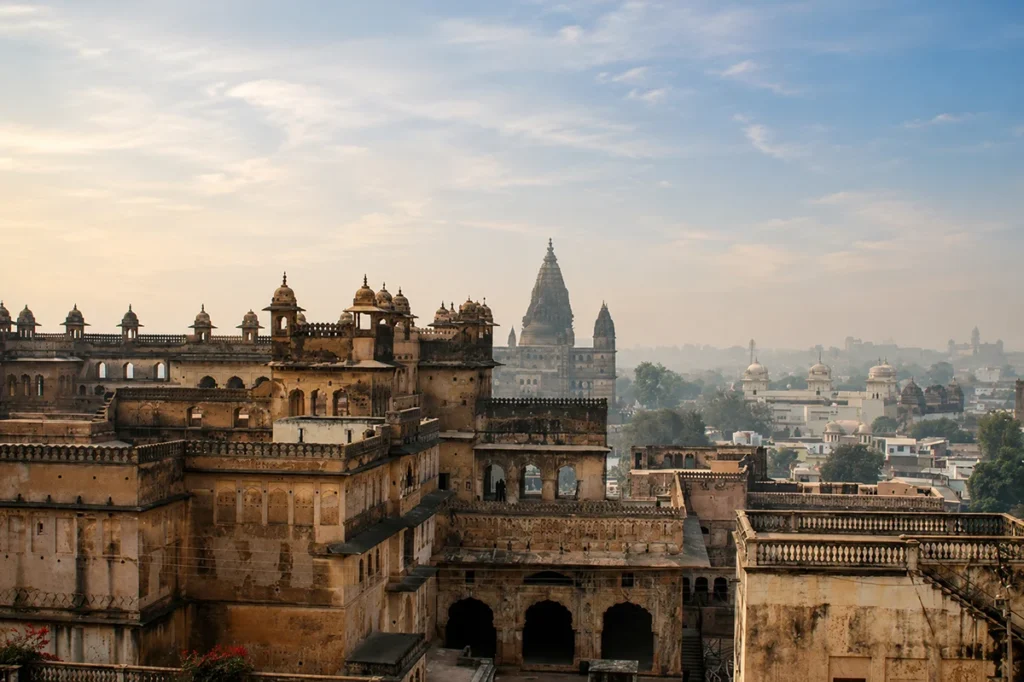
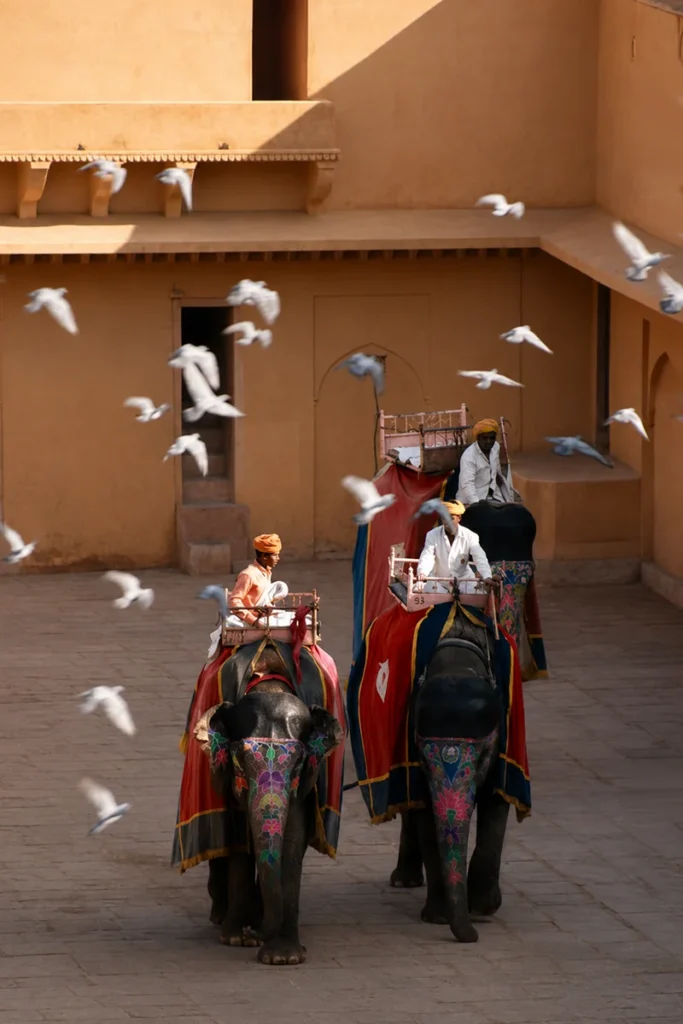
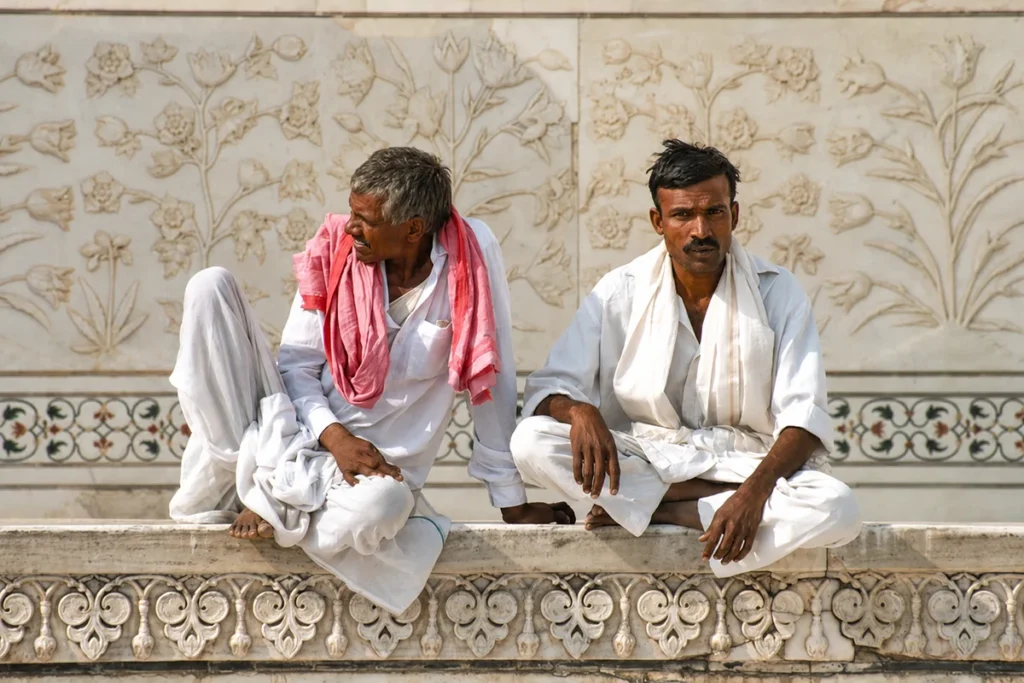
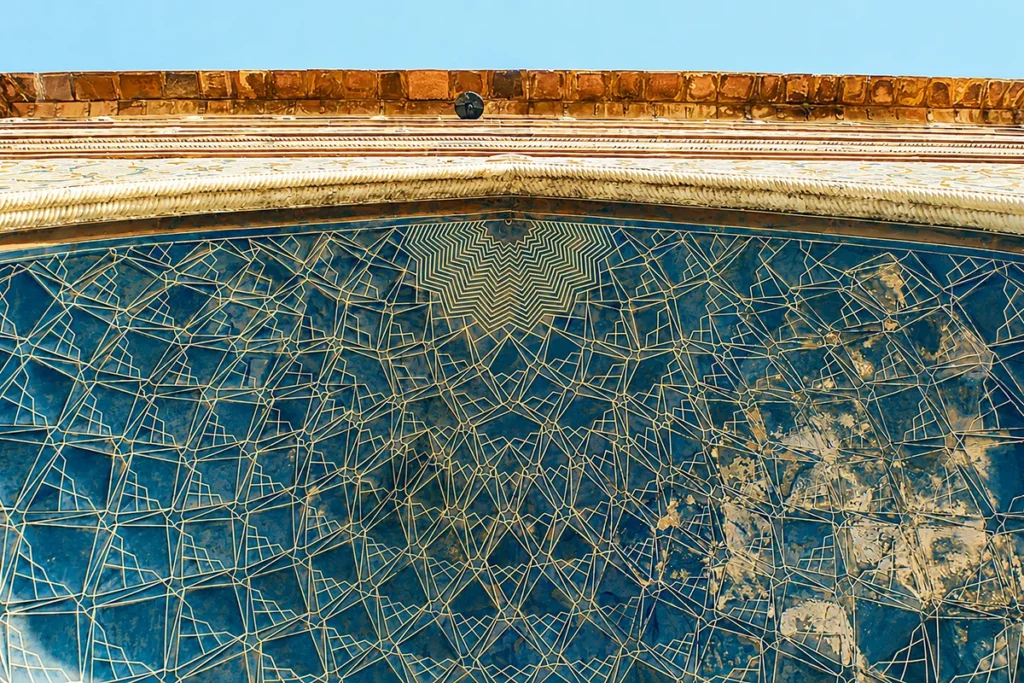
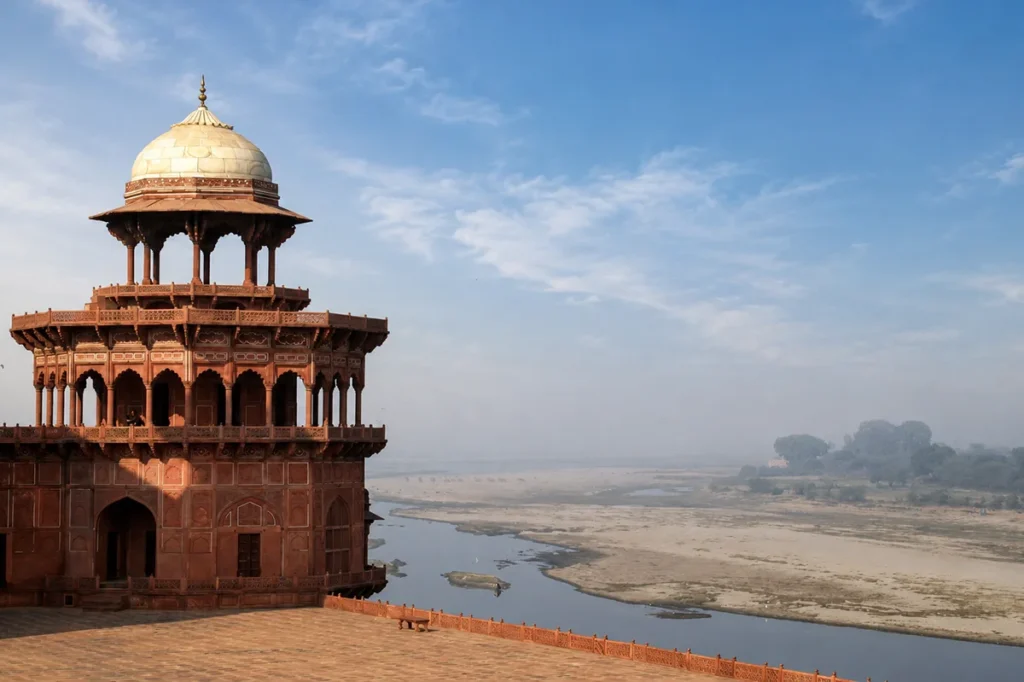
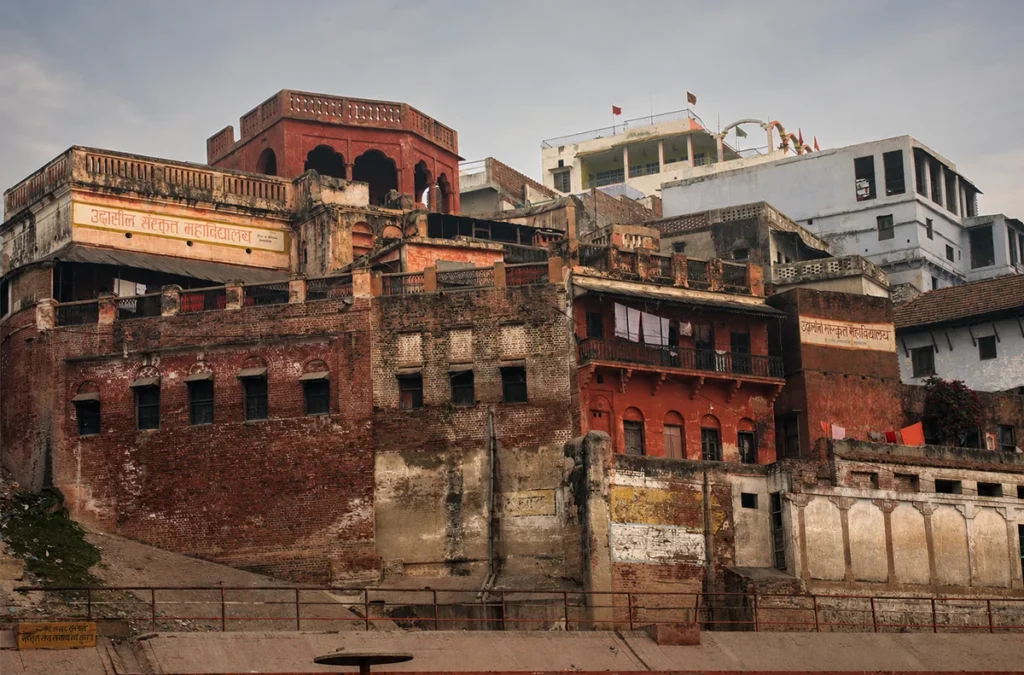
I took these photos in places where I saw, heard, and understood myself: the banks of the Ganges, the Lesser Himalayas, the Albanian Mountains.
Thinking about therapy
Soul Spiritual practice and clinical work—a shared field
Psychotherapy emerged from spiritual practices, not in opposition to them. Confession, meditation, and the shared experience of human suffering existed long before Freud—and it was from these that what we now call the therapeutic setting developed. We can distinguish between them for the sake of classification, but in practice, the boundary is arbitrary.
Silence
Both therapy and meditation teach the same thing: don’t rush to fill the silence. In therapy, this means not interrupting the client’s pause with your own interpretation. In meditation, it means not escaping into your thoughts. Silence is frightening because in it you begin to hear what was inaudible amid the clamour. But that is precisely where the work begins—both clinical and inner. Without the ability to endure silence, neither one nor the other is possible.
One who will stand by you
Healing requires a witness. Not a savior or an advisor—but a presence. Psychoanalysis calls this figure the analyst. Buddhism calls it a bodhisattva. Dante calls it Virgil. Different roles for the same function: to walk alongside someone through hell, to endure and not run away. Without such a figure, therapy is impossible.
Pain is information
The modern world treats suffering as a malfunction. Psychoanalysis and spiritual traditions tell a different story: suffering is a message. A symptom is a letter that the psyche sends to itself. The problem isn’t the pain itself, but the fact that we don’t hear what it’s asking of us and what it’s insisting on.
Death — at the center
Therapy rarely speaks of death directly, but it lies beneath every profound symptom: the fear of disappearing, the fear of being abandoned, the inability to accept loss. Spiritual traditions deliberately place death at the center. These two perspectives balance each other: therapy reminds us that life is here; spiritual practice reminds us that it is short.
One who leads has also gone through it
You can’t guide someone to a place you’ve never been yourself. To be there for them in their darkest hour, you have to go through your own—and remember what it’s like. For me personally, it’s important to move in both directions: clinical training provides professional experience, while personal development offers the depth that allows me to understand what I’m doing, how I’m doing it, and why.
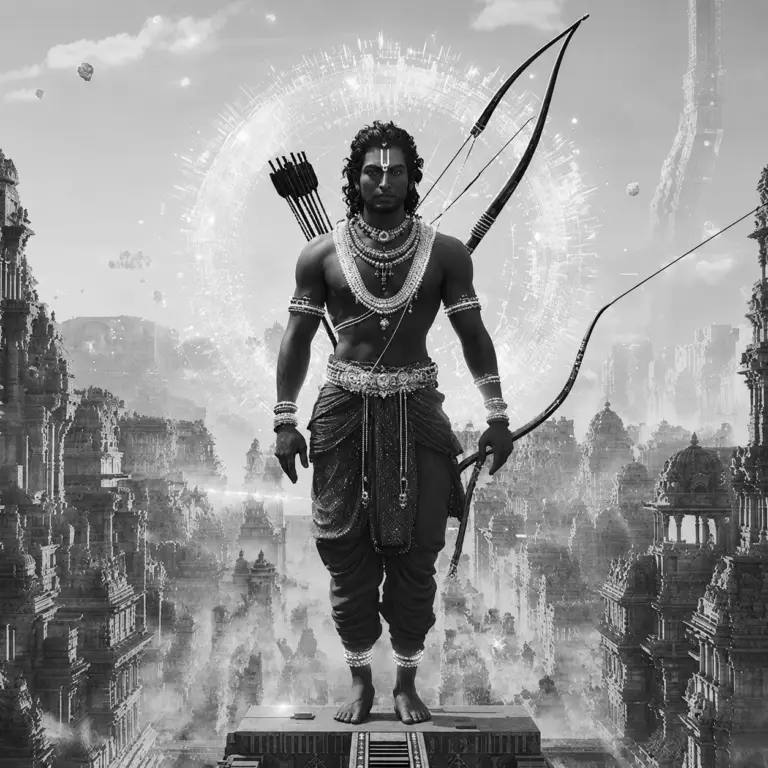
Reading the Mahabharata
This ancient Indian epic dates back several millennia. It tells the story of a great war between two branches of the same clan. At the heart of the plot is a dialogue that lasts several hours on the battlefield before the battle begins.
The battlefield lies within. The Battle of Kurukshetra is metaphorical, for the most intense conflicts occur within the psyche—personal traumas and family introjects that span generations. When Arjuna first sees the full structure of his own life, he finds it difficult to bear and asks for it to stop. It’s just like in therapy.
A conversation in the midst of a crisis. Arjuna stands on the field, his body won’t obey him, the bow falls from his hands. In a clinic, this is diagnosed as a stupor, dissociation. But according to the text, this is where the real therapeutic work begins. Arjuna can’t handle it alone; he stops the chariot and begins to speak with those around him. After all, some things are impossible to see and realize on one’s own.
Without illusions of omnipotence. The narrative frees us from the illusion that we control what is, in fact, beyond our control. This is a fundamental therapeutic stance. The therapist does their job, but does not control how quickly healing will occur, whether the client’s life will change, or what will happen to them a year from now. The same is true in life: the illusion of control over what does not belong to us is the source of most suffering.

Filming the world
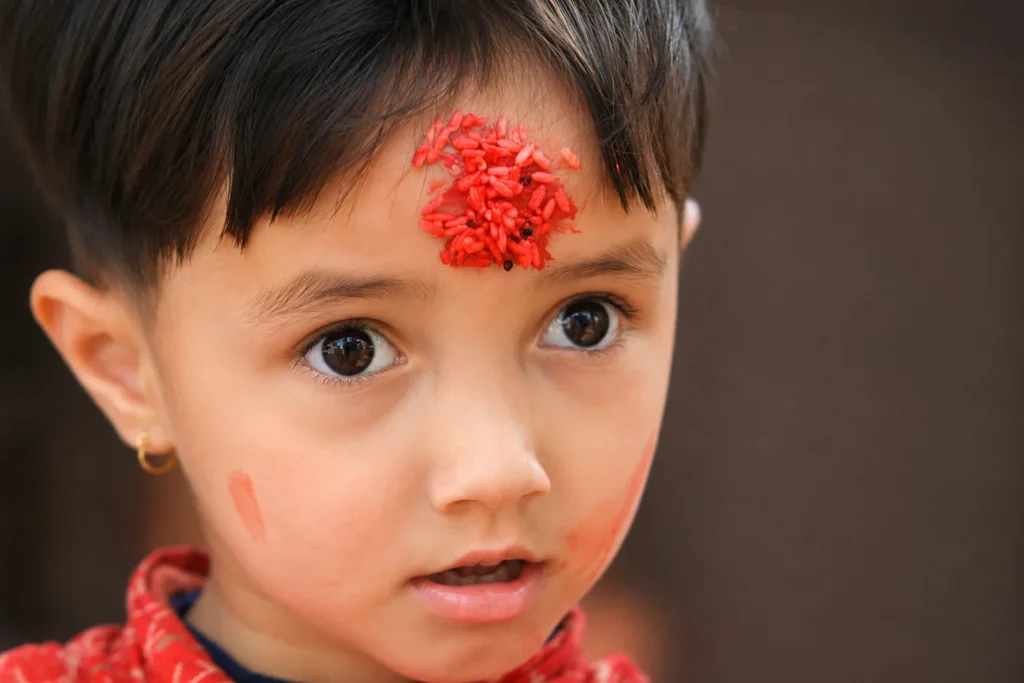
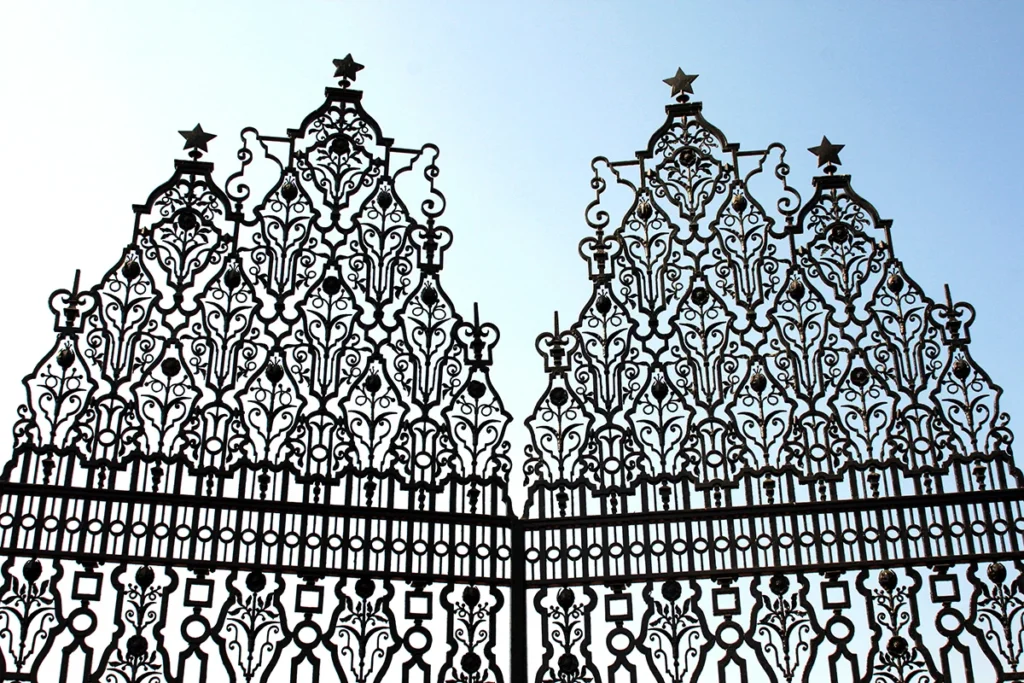
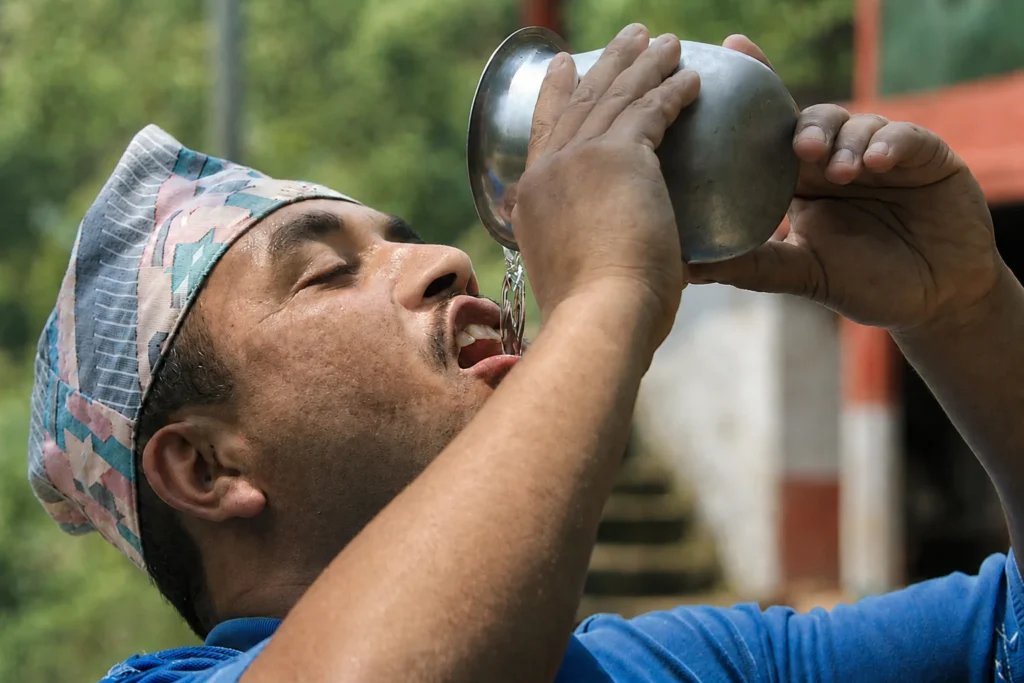
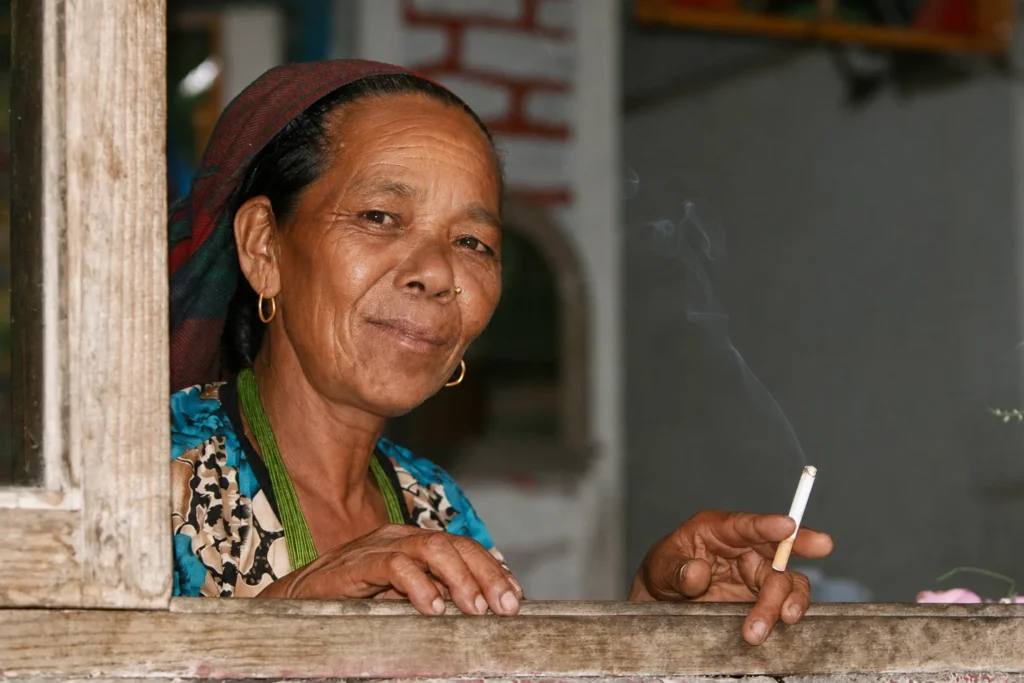
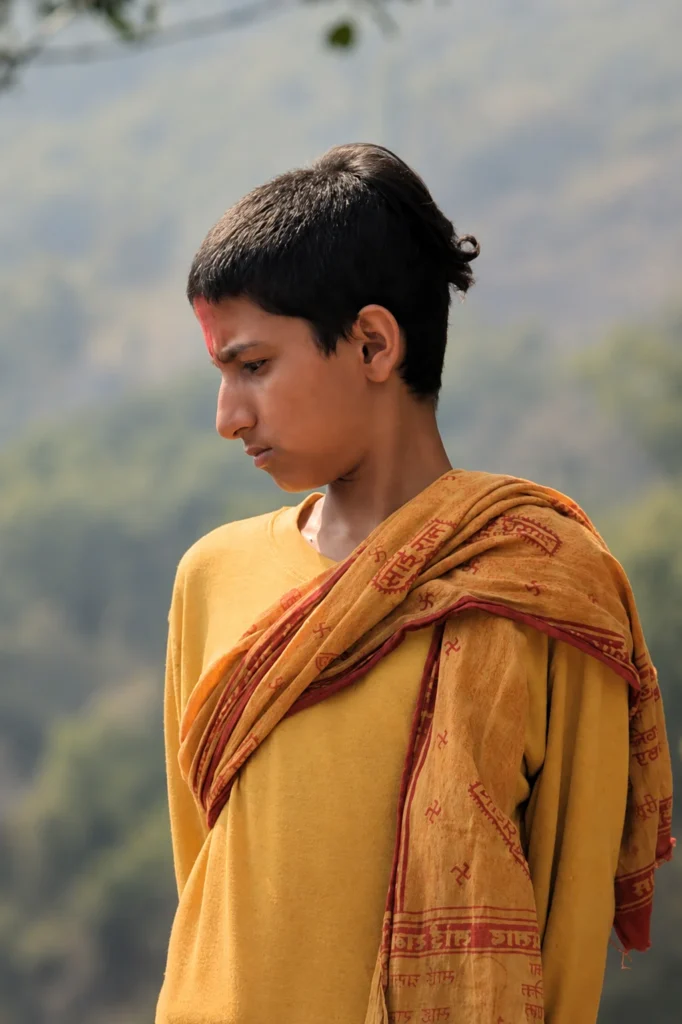
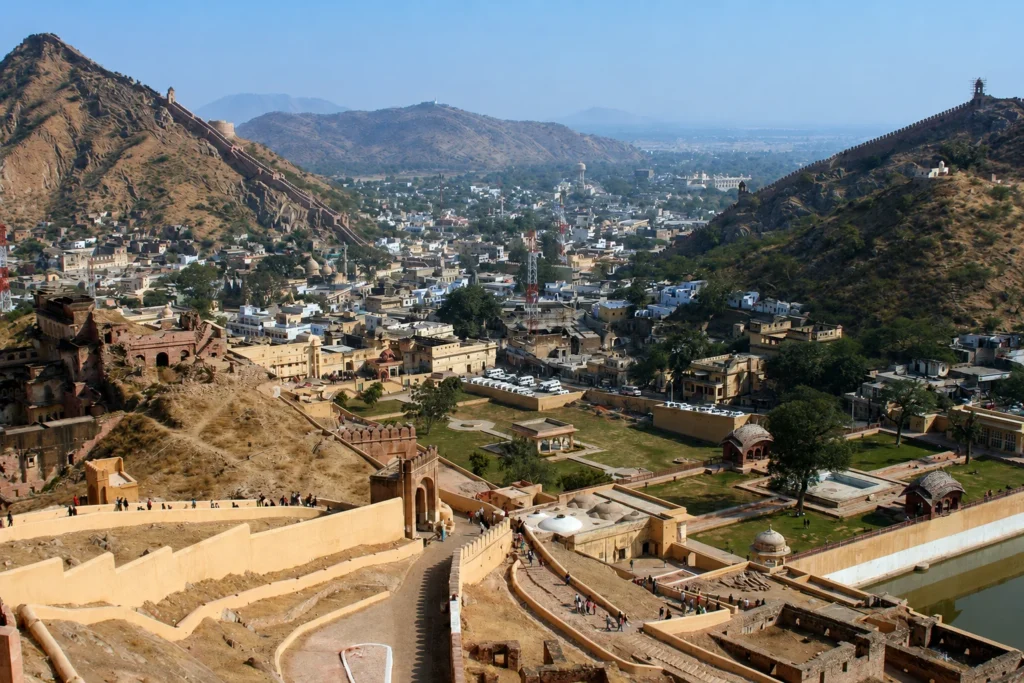
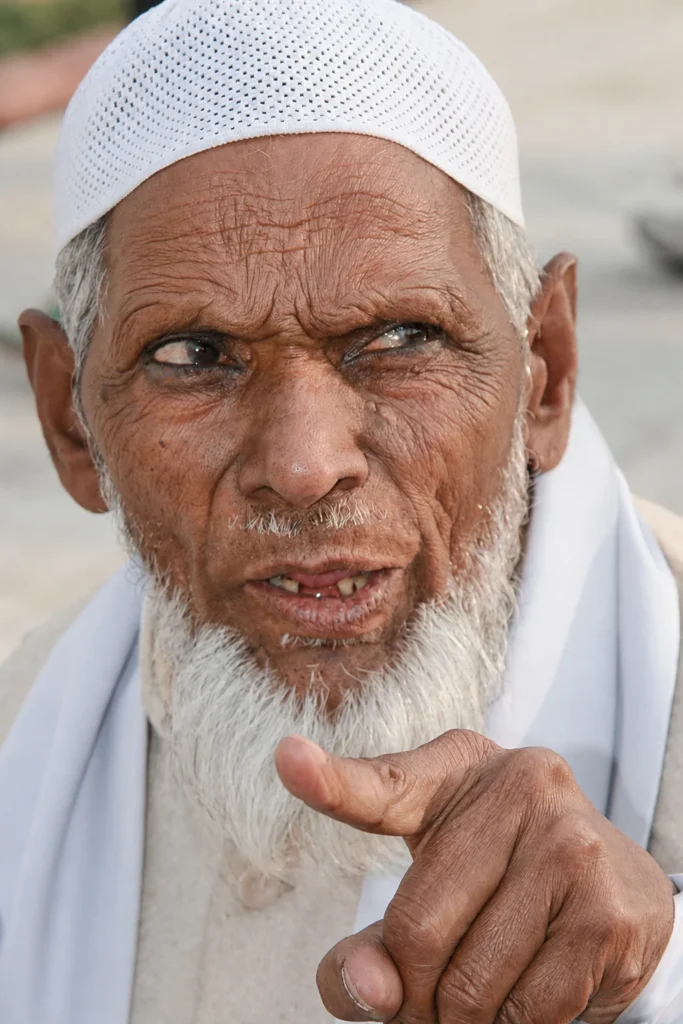
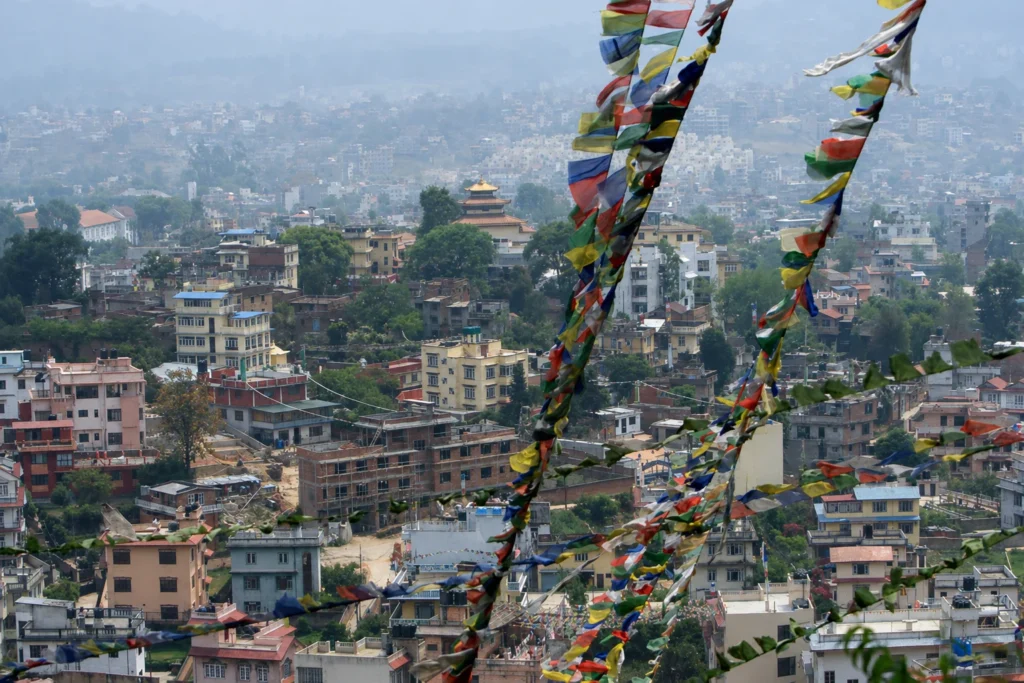
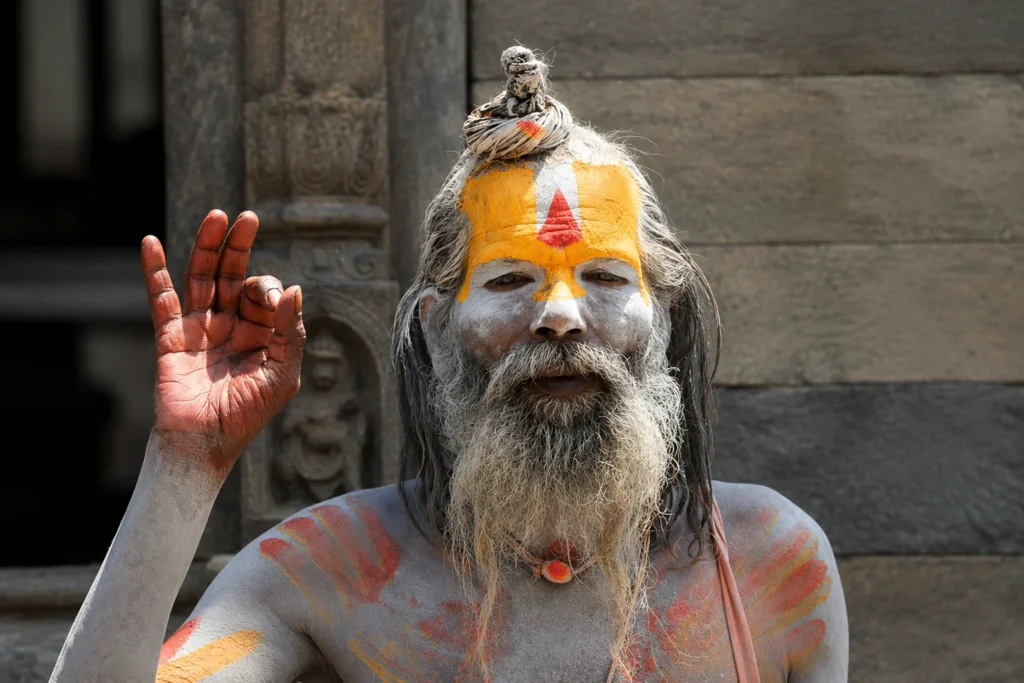
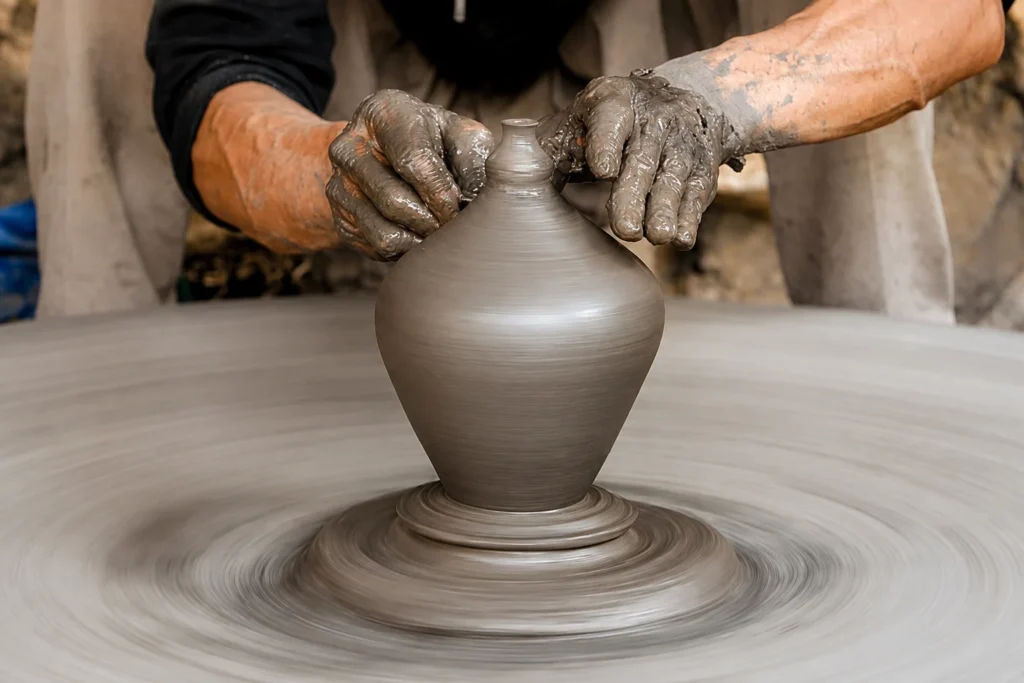
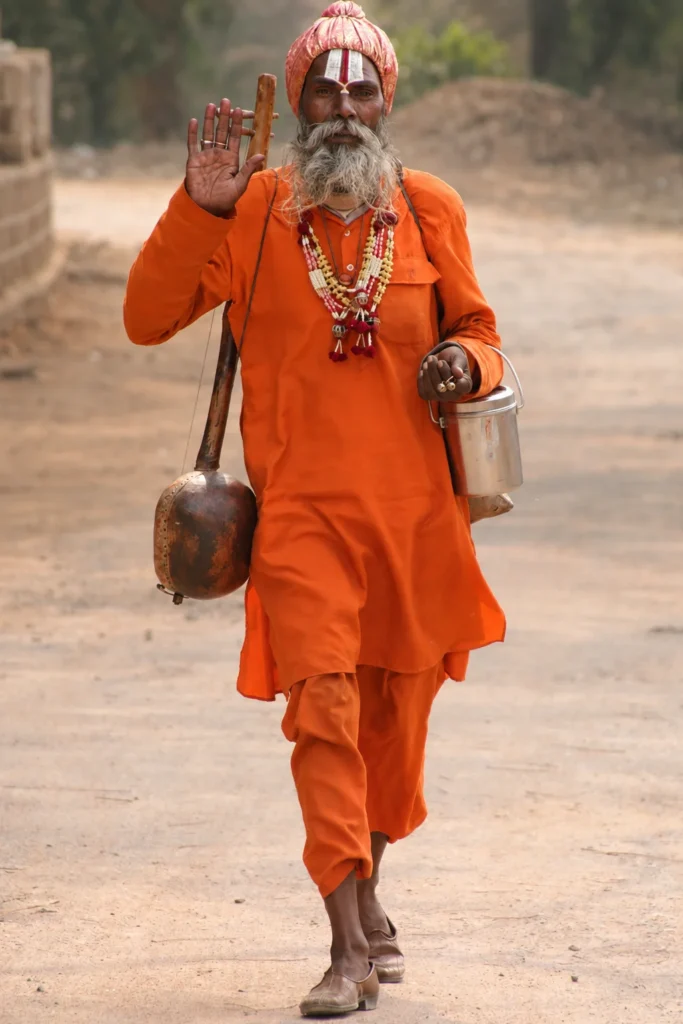
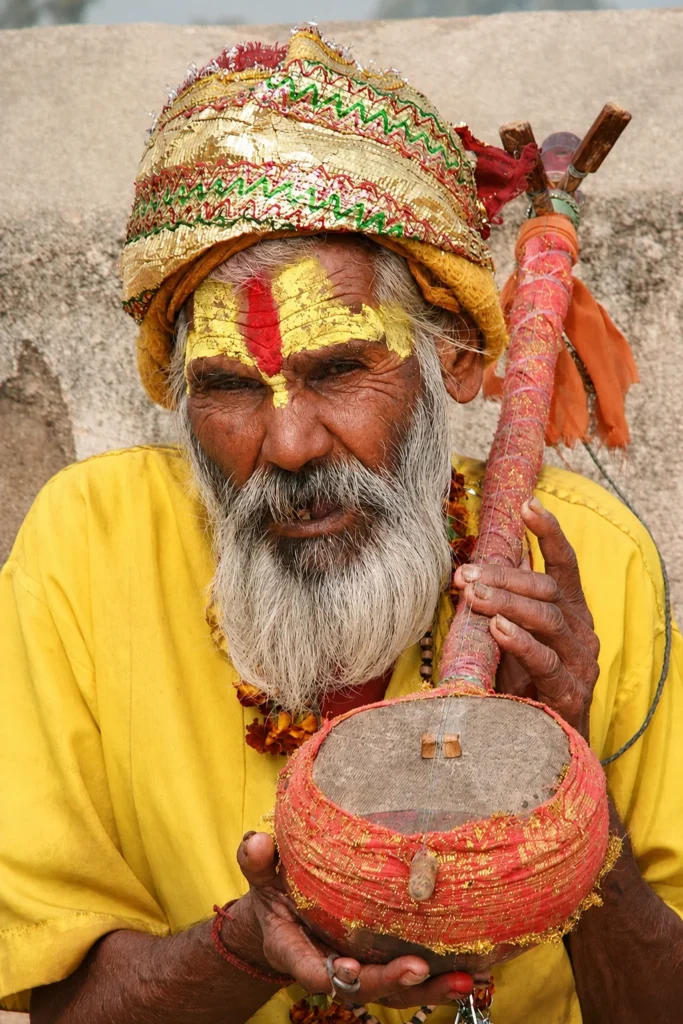
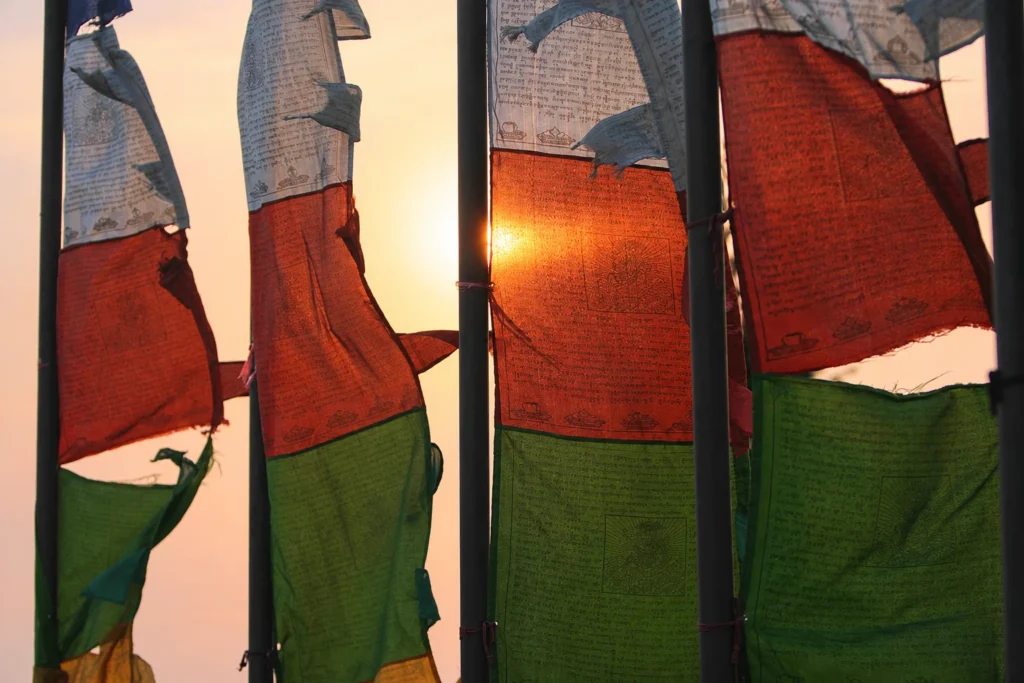
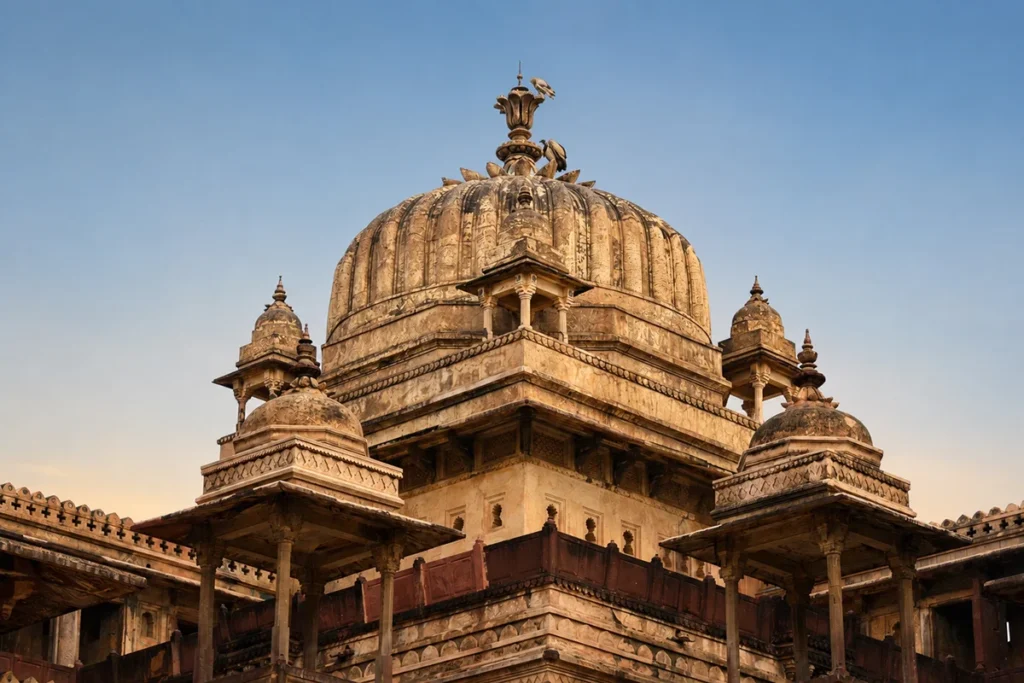
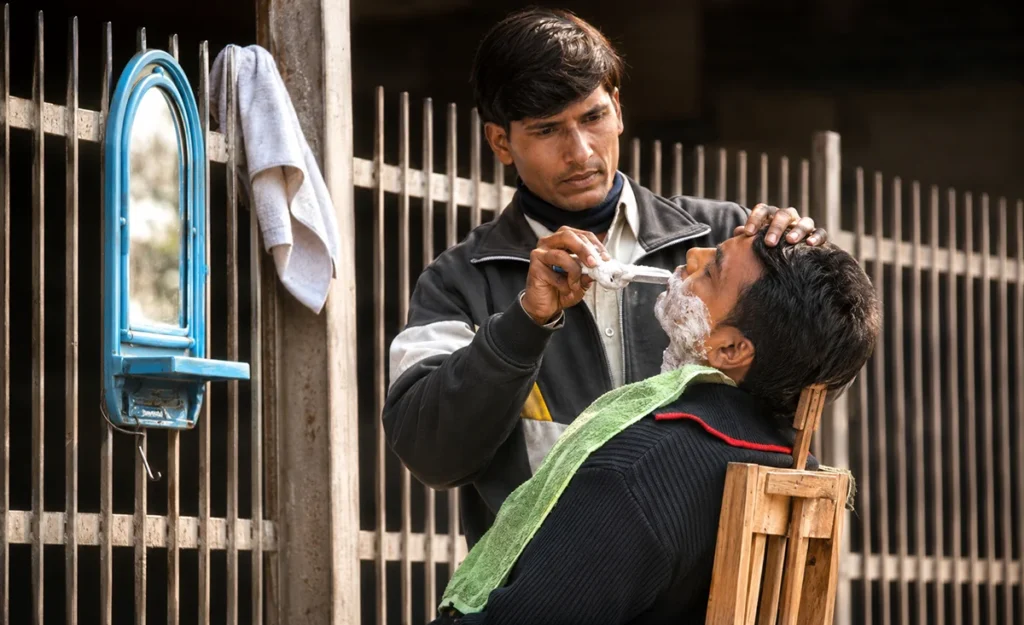
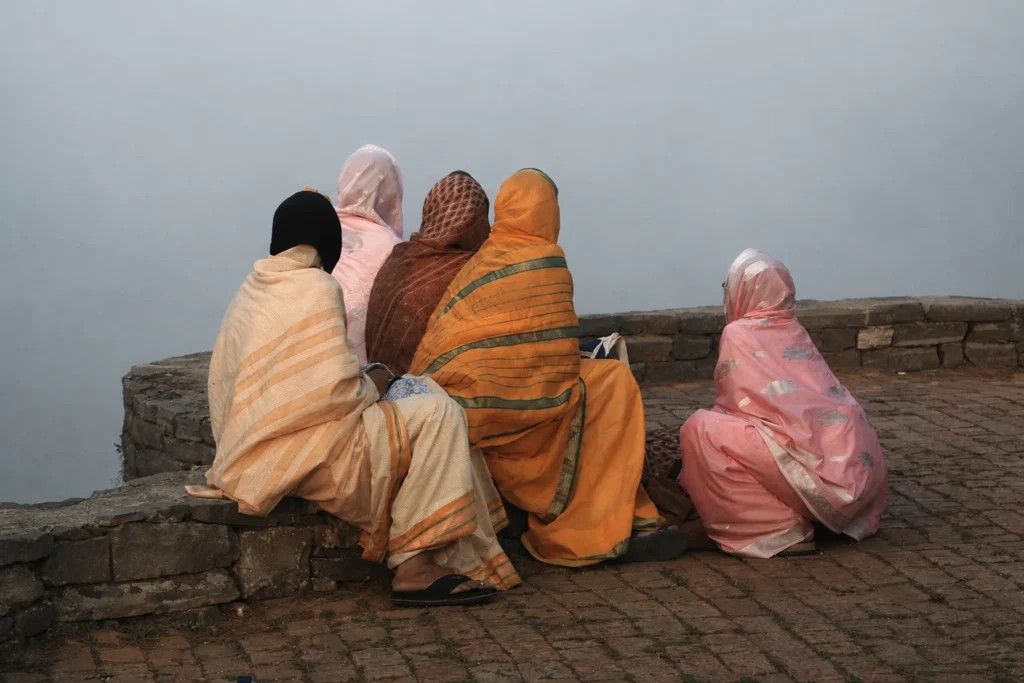
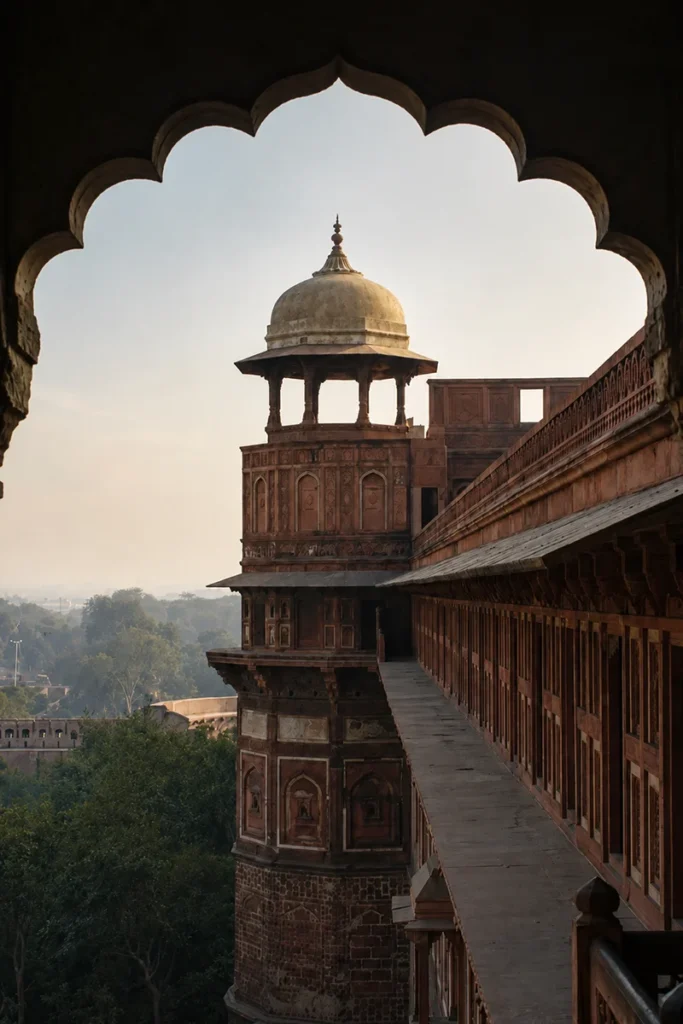
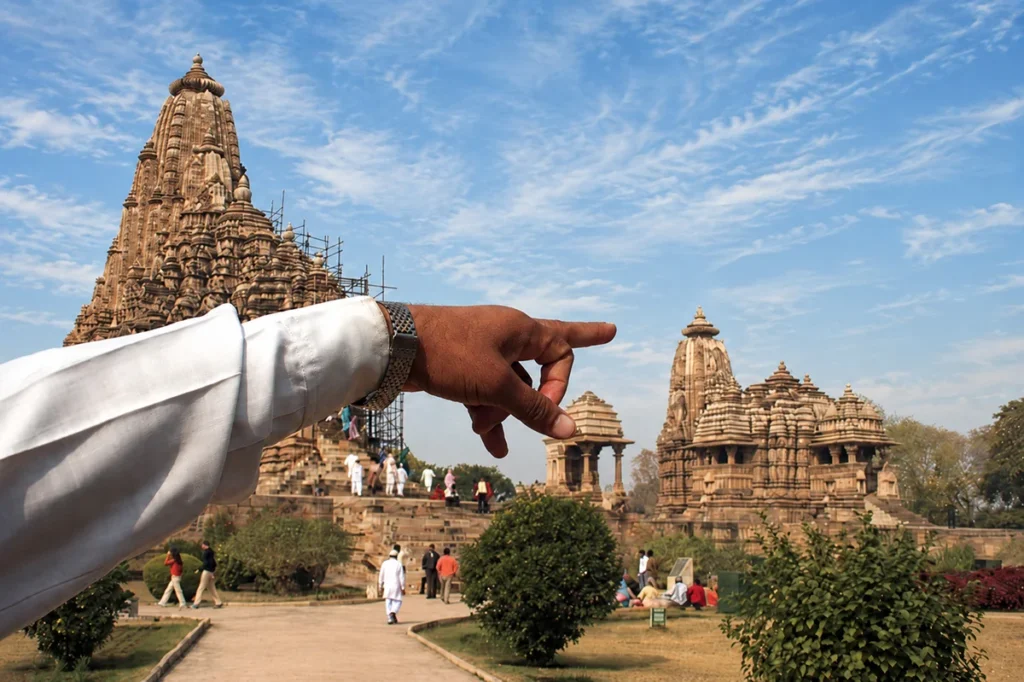
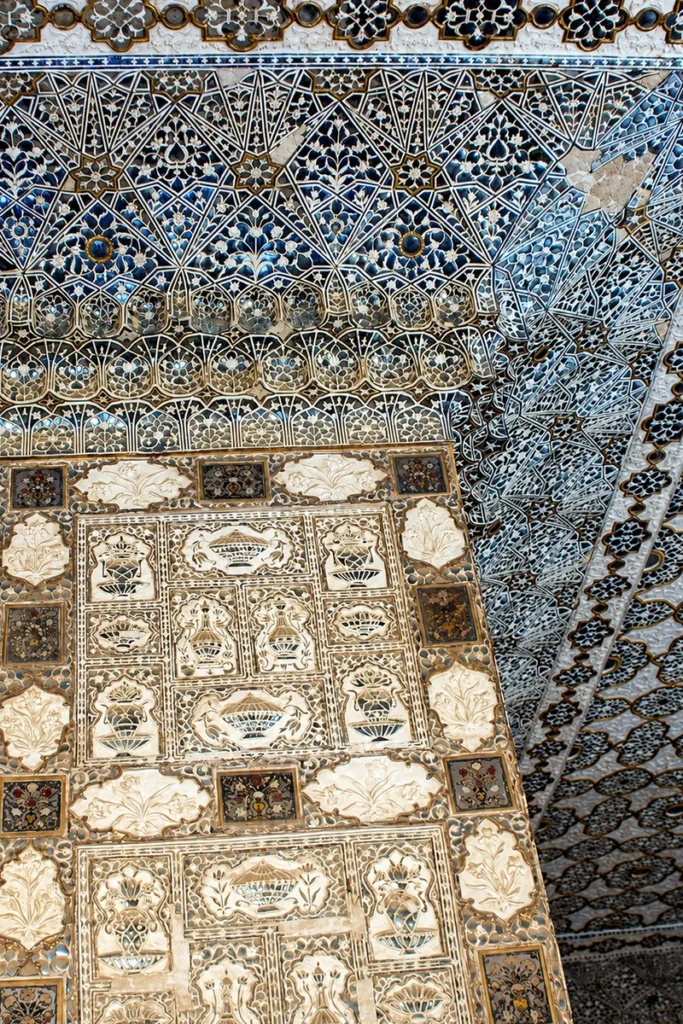
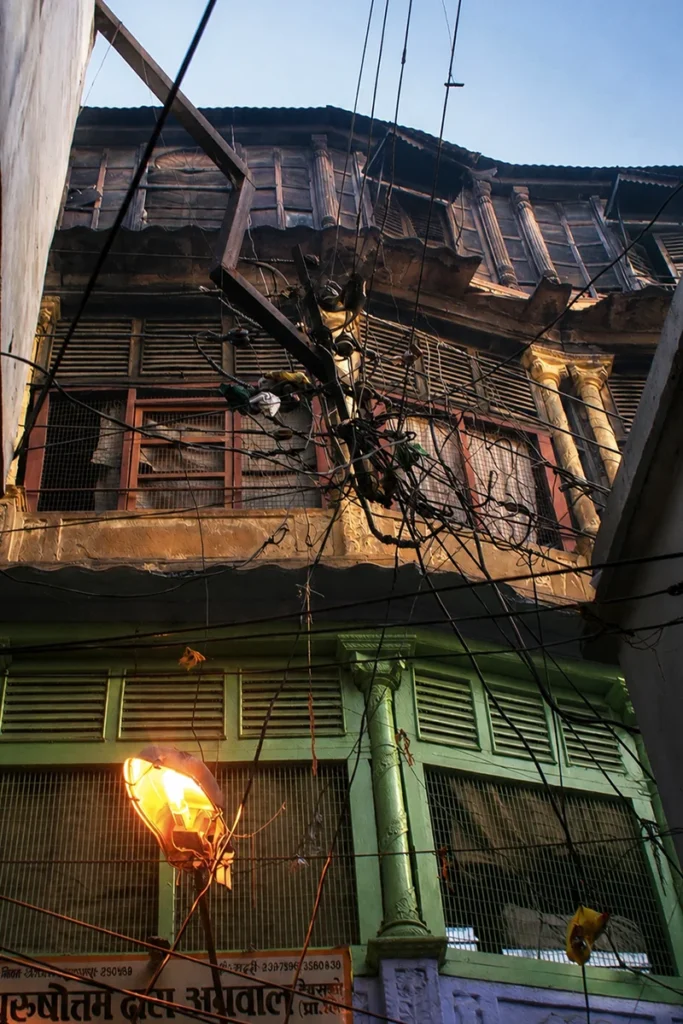
Here are a few photos from my travels in India and Nepal. These are places I’ve been returning to for many years. I come here to learn—philosophy, spiritual practice, and the very way of being.
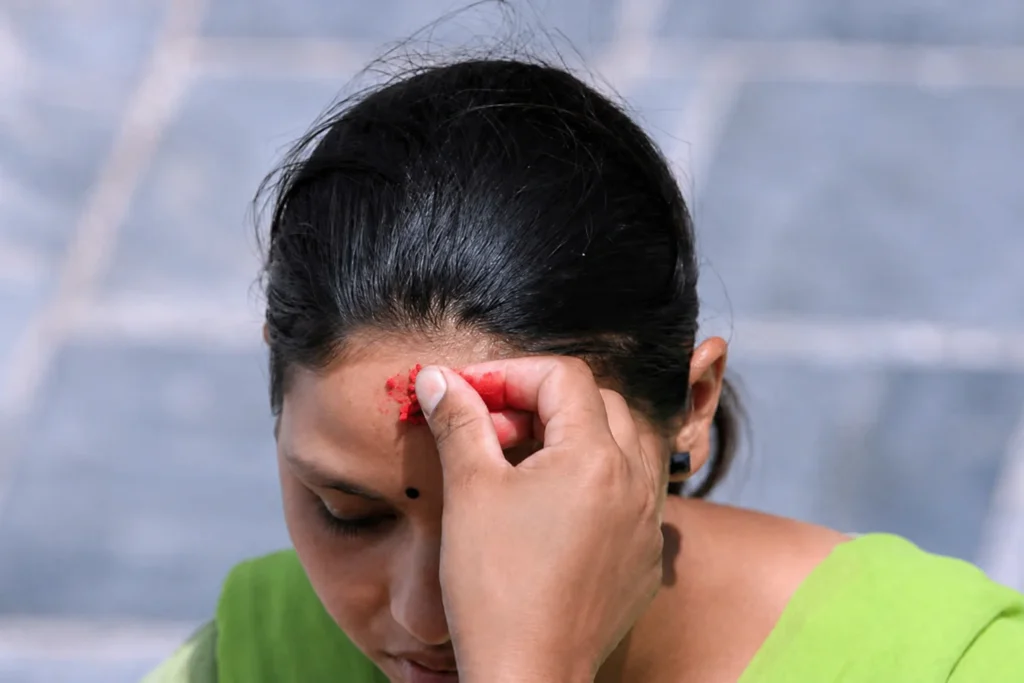
I carry around a lot of photography gear: a professional camera, heavy lenses, and a tripod. I take portraits, event photos, and landscapes—but not pictures of myself in the background. It’s not the camera looking at me. It’s me looking at the world through the camera. That’s much more interesting.
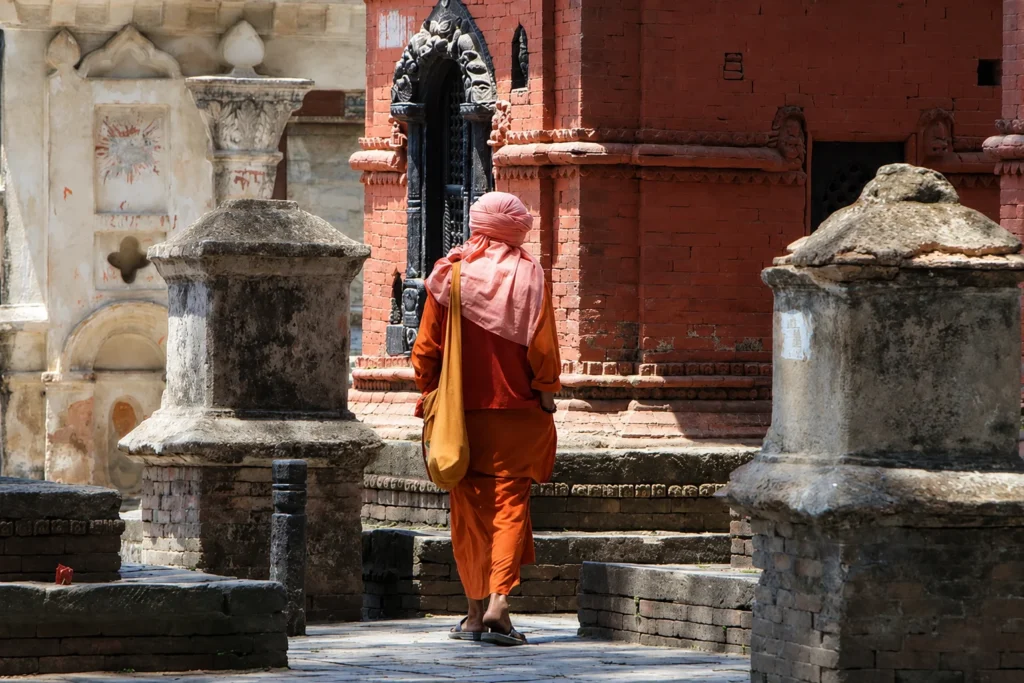
Take a look for yourselves.