
The Telegram channel “Psychotrauma of War” — which focuses on mental health during and after war—is my main communication platform
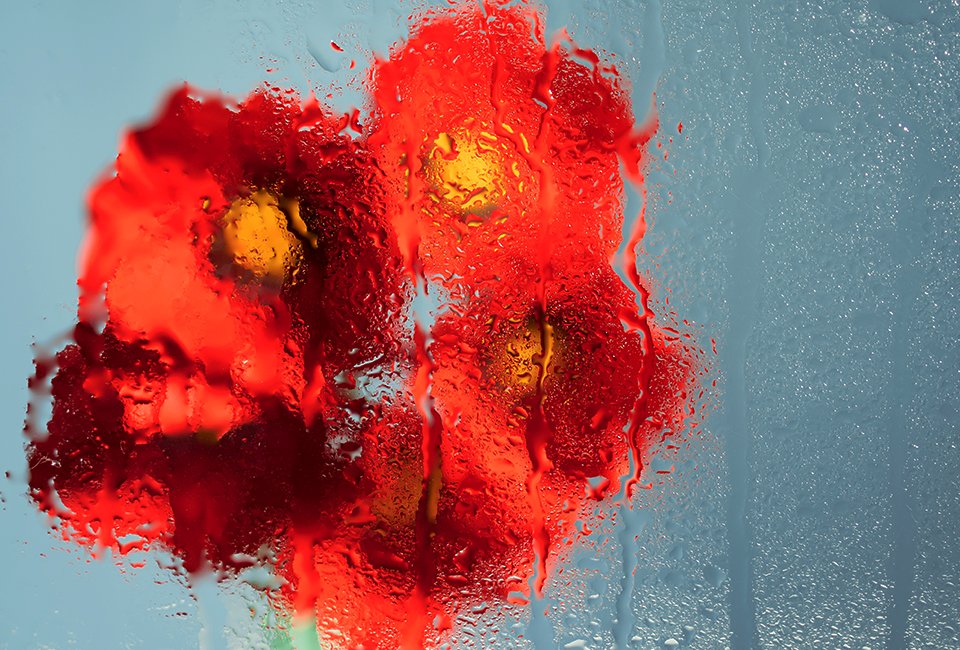
I write this personal blog from Kyiv, where war is part of everyday reality—for me, my clients, my colleagues, and my readers. This blog brings together clinical experience, psychoanalytic thinking, military and transgenerational psychology, contemporary research, and ordinary human life.
It’s a space where you can not only learn about what’s happening to the psyche, but also recognize your own experiences, find the words to describe them, and not have to face them alone.
Who is this channel for?
For those living in the midst of war and trying to understand what is happening to them. For service members, veterans, and their loved ones. For psychologists, psychotherapists, psychiatrists, and other mental health professionals. For those who need an accurate, honest, and compassionate conversation about mental health—without one-size-fits-all solutions or downplaying the complexity of their experiences.
What I’m Writing About
Mental Health During War
About how we live under a constant threat, wake up to the sound of explosions, and go back to work in the morning.
What happens to our sleep, memory, body, attention, and sense of time. Where do exhaustion, numbness, hyperarousal, and the strange disconnect between nighttime danger and daytime routine come from?
Not everything that causes pain during wartime is a disorder. But not everything is worth enduring.
Clinical Psychology and Psychotherapy
About PTSD, anxiety and depressive disorders, loss, traumatic memory, personal organization, attachment, defense mechanisms, and coping strategies.
I write about how psychological phenomena play out in the therapy room, not just in a textbook: about the therapeutic relationship, boundaries, countertransference, diagnosis, and complex clinical decisions.
In the “Insights from Intervision” section—professional reflections and micro-observations that arise during the discussion of complex cases with colleagues.
Military Experience
On combat stress, psychological trauma, injuries, demobilization, the return to civilian life, and the experiences of military families.
The sections “A Soldier Speaks” and “A Soldier Draws” feature the voices, writings, and artwork of service members and veterans—as well as clinical reflections on things that sometimes cannot be conveyed in ordinary language.
This is an attempt not to speak on behalf of service members, but to listen to and bear witness to their experiences.
Transgenerational Trauma and Resilience
About how the experiences of previous generations live on in family rules, silence, fears, coping strategies, and self-perceptions.
The Holodomor, repression, the Soviet system, wars, forced displacement, and loss—but also family resilience, a sense of belonging, values, and the ability to adapt.
I’ll discuss research on transgenerational experiences, the Ukrainian adaptation of the HITT-Q, and my own model, “Landscape-Boat-Person.”

Science Returning to Practice
About new research, books, and articles on psychology, psychoanalysis, neurobiology, and psychotherapy. Written in plain language, but without oversimplification.
I write about my own research, graduate studies, academic discussions, and how data and theories shape the clinical understanding of a specific individual.
Not just final conclusions, but the very process of thinking: doubts, explorations, contradictions, and new ideas.

Life Goes On
About Kyiv, people, animals, coffee, movies, art, photography, professional experiences, the channel’s readers, and humor—without which some things would be impossible to endure.
Mental health during wartime is the ability to remain a living, breathing person: to notice, think, feel, laugh, form attachments, and respond to the world.
There are no quick tips on the channel
I don’t promise to teach you how not to worry in the midst of an air raid. I don’t explain war with a single theory, nor do I reduce complex human experience to “five steps.” I try to look at it honestly—that is, clinically, scientifically, and humanely. Sometimes seriously. Sometimes with humor. But always with respect for the reality in which we live.
If it’s important to you to understand not just the diagnosis, but also the person living within that story—join us.